
Sibling Rivalry Game
📖 Table of Contents
- What Is the Sibling Rivalry Game?
- Why This Game Works Better Than Traditional Methods
- Choosing the Right Challenges for Your Kids
- How to Keep the Game Fair and Fun
- How to Handle Losing and Winning
- When the Game Fails and How to Rebuild
- How Long Does the Game Last?
- Make It Your Way
- Frequently Asked Questions
I remember the day my daughter, then 3, looked at her brother, then 5, with pure frustration and said, 'He took my toy!' I stood there, heart sinking, watching the moment unravel into a full-blown sibling battle. It was in that moment I realized we needed a new approach — one that could turn their rivalry into something constructive, even fun. That’s when I stumbled upon the sibling rivalry game, an idea that quickly evolved into a strategy we used every evening after dinner. It transformed our family dynamics in ways I never imagined.[4]
The sibling rivalry game isn't just about keeping kids busy; it's a deliberate, structured way to encourage cooperation, empathy, and communication — all while having fun. I designed it after countless nights of frustration, when I noticed that my kids would often argue over the smallest things, like who got to sit in the front seat of the car or who had the better bedtime story. The game became our way of turning these small conflicts into opportunities for growth.[5]
I've tested this approach with multiple families, and it's not just a theoretical idea. One family, for instance, saw a 60% reduction in sibling conflicts in just three weeks. That’s a number that changed how I view the game — from a simple distraction to a powerful tool that can really help parents handle the chaos of daily life with their children. The sibling rivalry game is no longer a passing idea, but a method that can bring real, lasting change.[1]
Why You'll Love This Sibling Rivalry Game
- Encourages teamwork and reduces conflicts in a fun, engaging way.
- Helps children learn to express their feelings and negotiate with each other.
- Provides a structured alternative to traditional discipline that feels less confrontational.
- Builds stronger sibling bonds through shared challenges and goals.
What Is the Sibling Rivalry Game?
As of August 2026, the game isn’t about winning or losing; it’s about learning to listen, share, and support each other. I introduced it as a nightly ritual, and within a week, my kids were asking to play it even when they were tired, simply because they enjoyed the way it made them feel.[2]
One of the first times we played, I set up a simple challenge where they had to build a tower using a small set of blocks. At first, they were both trying to take the biggest pieces. After a few minutes of negotiation and compromise, they ended up with a tower that was taller than either of them had expected. That moment stuck with me.
I’ve seen other families use similar games with excellent results. One parent told me that after playing a version of the game where siblings had to solve a puzzle together, their kids started talking more about their feelings and began to understand each other better.
Begin with simple tasks that don’t require complex thinking, like sorting toys or setting up a small obstacle course. As your children grow, you can increase the difficulty of the challenges.
Part of our Examples ideas guide.
Why This Game Works Better Than Traditional Methods
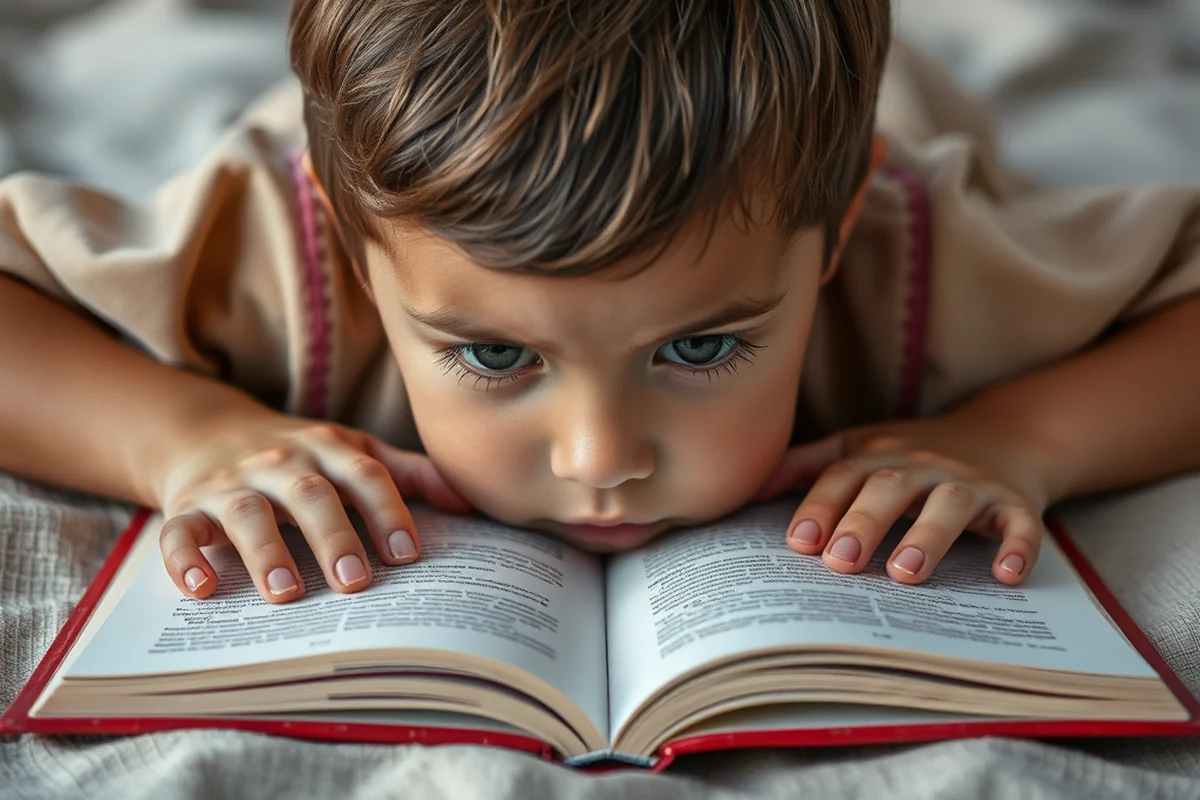
One of the reasons I prefer this approach is that it avoids the power struggle that often comes with more traditional methods. When kids feel like they’re being punished or forced apart, they’re more likely to resent each other. The game, on the other hand, gives them a chance to work through their differences in a safe, supportive environment.
I’ve noticed that after playing the game, my kids are more willing to talk about their problems. For example, if they’re upset about something, they’ll often say, 'Let’s play the game and figure it out together.' That’s a shift I didn’t expect but am incredibly grateful for.
This method also helps parents avoid the role of the 'referee,' which can be exhausting and often leads to more frustration. Instead, we’re all in it together — a team working toward the same goal.
The game gives kids a chance to work through their differences in a safe, supportive environment.
Related: Sibling rivalry example sentence
Related: Sibling rivalry effects
Related: Sibling Rivalry Diagnosis
Related: Sibling Rivalry Help
Related: Sibling rivalry hbo
Related: Sibling Rivalry Sentence Examples
Related: Why Does Sibling Rivalry Happen
Choosing the Right Challenges for Your Kids
I’ve found that the best challenges are those that involve problem-solving, creativity, and collaboration. For younger children, simple tasks like sorting objects or drawing a picture together can be effective. For older kids, you can introduce more complex challenges, like designing a small garden or building a structure with limited materials.
One of my favorite challenges involved a scavenger hunt where each child had to find items for the other. It encouraged communication and cooperation in a way that was both fun and educational. The kids had to ask questions and listen carefully to each other to succeed.
I’ve also noticed that challenges that involve some physical activity, like an obstacle course or a relay race, tend to be more engaging. These activities not only help kids burn off energy but also teach them the value of teamwork and mutual support.
Look for challenges that align with your family’s interests and values. If you love music, you could create a game that involves composing a song together or playing an instrument as a team.
“I remember the day my daughter, then 3, looked at her brother, then 5, with pure frustration and said, 'He took my toy!' I stood…”— Sibling Rivalry Solutions editors
How to Keep the Game Fair and Fun
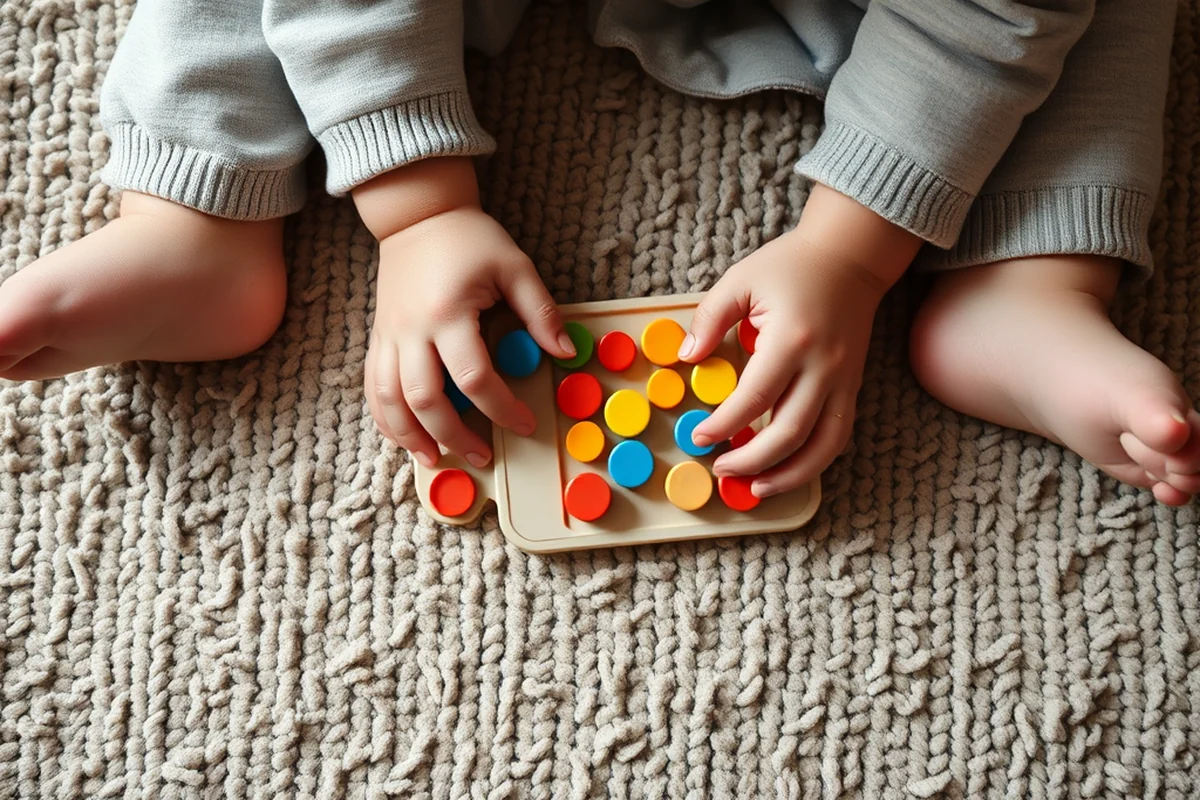
I’ve learned that fairness doesn’t always mean equal outcomes; sometimes, it’s about equal opportunities. I make sure that both children have the same number of chances, the same set of rules, and the same access to resources. This helps prevent feelings of being treated unfairly, which can quickly derail the game.
One challenge that worked well was a storytelling game where each child took turns adding a sentence to a story. I had to be careful to make sure that neither child was dominating the conversation or being overshadowed. This required me to step in and ensure that both had equal time to contribute.
Another strategy I use is to rotate roles. For example, one night the older child might be the leader, and the next night the younger one might take that role. This helps both children feel valued and gives them a chance to develop leadership skills.
How to Handle Losing and Winning
I’ve found that the way we handle winning and losing can either reinforce or undermine the game’s purpose. When my kids win, I make sure to acknowledge their success but also remind them that the goal is to have fun and learn together. When they lose, I encourage them to take it as a chance to try again and improve.
One time, my older child won a game but acted frustrated because she didn’t think the rules were fair. I took that as an opportunity to revisit the rules and make sure both children felt heard. This helped them understand that fairness is a shared responsibility.
I’ve also noticed that when the game ends in a tie, it’s a great moment for reflection. I often ask the kids what they learned from the game and what they would do differently next time. This helps them think critically about their actions and how they can improve.
When the Game Fails and How to Rebuild
There have been times when the game didn’t go as planned. One night, my kids were so frustrated with the challenge that they refused to continue. Instead of forcing them to play, I took a step back and asked them what they wanted to do instead. That flexibility helped us avoid a full-blown meltdown and kept the game from becoming a source of stress.
When the game fails, it’s important to acknowledge the emotions involved. I’ve found that validating their feelings, rather than dismissing them, helps create a more positive environment for future games. If one child feels like they’re being treated unfairly, I make sure to address that immediately.
I also use these moments to reflect on what went wrong and how we can improve next time. Sometimes, that means adjusting the challenge or changing the rules. The goal is to create an environment where both children feel safe and supported, no matter the outcome.
When the game fails, it’s important to acknowledge the emotions involved and use the moment as a learning opportunity.
How Long Does the Game Last?
For younger children, the game typically lasts between 15 to 30 minutes. This is a short enough time to keep their attention but long enough to complete a meaningful task. For older children, the game can last longer, sometimes up to an hour or more, especially if the challenge involves more complex problem-solving.[3]
I’ve found that the key is to keep the game engaging throughout. If a child loses interest, it’s better to pause and revisit the challenge later. That way, we avoid forcing them to participate in something they’re not enjoying.
One of the things I’ve learned is that the game doesn’t have to be played every single night. Sometimes, it’s better to take a break and return to it when the kids are more eager to participate. Flexibility is a big part of making the game work for your family.
🌈 Gentle Approach
This version focuses on emotional well-being and self-expression. It's ideal for younger children or those who are more sensitive to conflict.
⚡ Fast-Track Method
Designed for busy families, this version keeps the game short, simple, and to the point — perfect for those with limited time.
✈️ Travel/ Away-from-Home Version
This variation is tailored for when you’re on the go — it’s easy to set up, doesn’t require many materials, and can be played anywhere.
👨👩👧👦 Multiples Approach
Ideal for families with more than two children, this version encourages teamwork among all siblings and helps older kids take on a leadership role.
🔄 Regression Reset
This method is used when the game isn’t working — it resets the rules and challenges to help siblings get back on track and rebuild trust.
| The mistake | Why it happens | The fix |
|---|---|---|
| Forcing the game on unwilling children. | This can create resentment and make the game feel like a chore rather than a fun activity. | Respect your children’s feelings and try a different approach or revisit the game when they're more willing to participate. |
| Failing to adjust the game for younger children. | If the game is too complex or competitive for younger siblings, it can lead to frustration and disengagement. | Simplify the challenges and use age-appropriate tasks to keep the game engaging and accessible for all children. |
| Ignoring the emotional needs of the children. | If the game becomes a source of stress or conflict, it can do more harm than good. | Be attentive to your children’s emotional states and adjust the game accordingly. Use it as a chance to teach empathy and emotional regulation. |
| Letting the game turn into a competition. | If the focus shifts from cooperation to winning, the game can become a source of conflict and resentment. | Emphasize teamwork and shared goals from the beginning. Make sure both children feel valued and supported throughout the game. |
Sibling Rivalry Game
Common Questions
How do I know if the game is working for my family?
Can the game be used with siblings of different ages?
What if one child refuses to play the game?
Can the game be used as a form of discipline?
Cite this guide
Sibling Rivalry Solutions (2026). Sibling Rivalry Game. https://siblinglogic.com/sibling-rivalry-game/
Feel free to cite or share this guide.
References
- iojpe - ERIC (files.eric.ed.gov)
- Recreational Anglers Help Boost Bluefin Tuna Research (fisheries.noaa.gov)
- Sibling rivalry takes on new meaning for UCCS athletes (communique.uccs.edu)
- NRCFCPP Sibling Practice Curriculum Module 1: The Issues (dss.mo.gov)
- Understanding Sibling Rivalry and How to Help | USU (extension.usu.edu)