
Family Bonding Activities
📖 Table of Contents
I remember the first time I realized that family bonding wasn’t just about the big, dramatic moments — it was in the quiet, everyday stuff. My daughter, then three, was sitting cross-legged on the floor with her younger brother, sharing a single crayon and a piece of paper. They weren’t talking, but they were laughing, and for a moment, I saw something real and lasting in their connection. That’s the beauty of family bonding activities — they don’t have to be elaborate or expensive. They just need to be intentional and present.[1]
Over the years, I’ve tried every kind of activity you can imagine: board games, hikes, cooking, and even themed movie nights. But not all of them worked. Some left the kids bored, some left me exhausted, and others just felt like a chore. What I’ve learned is that the best family bonding activities are the ones that feel natural, not forced — the ones that make everyone want to be together, not just tolerate each other.[2]
Family bonding activities are more than just a way to spend time together. They’re the glue that holds a family together, even when life gets messy. Whether it’s a weekend camping trip or a simple game of Uno on the couch, these moments create memories that last a lifetime. And as a parent, I’ve found that the most meaningful ones are the ones that don’t require a budget or a schedule — just a little bit of heart and a lot of presence.
Why You'll Love This Guide to Family Bonding Activities
- You'll discover easy, no-fuss ways to connect with your kids that fit into even the busiest schedules.
- You'll gain insights from real-life experiences and practical strategies that work, not just theory.
- You'll learn how to build lasting family bonds through activities that are both fun and meaningful.
- You'll get a variety of options so you can find what works best for your family’s unique dynamic.
The Power of Simple Games
As of September 2026, I learned this the hard way when I tried to plan a complicated outdoor adventure with my kids, only to have them lose interest halfway through. It wasn’t until we switched to a simple board game like Ticket to Ride or Scrabble that things turned around. These games are easy to set up, don’t require any special skills, and are a great way to foster communication and teamwork.
What I love about simple games is that they often lead to unexpected moments of connection. I remember one night when my son, who’s usually very shy, was the first to call out a strategy during a game of Catan. It was a small moment, but it made me realize how much these activities can help kids build confidence and express themselves.
Another bonus is that simple games can be played almost anywhere — in the car, on a park bench, or even while waiting for dinner. They’re not only a great way to spend time together, but they’re also a way to make the most of the little pockets of time we have.
Choose games that are easy to learn and don’t require a lot of setup. If your kids are too young, start with memory matching or card games that involve minimal rules and maximum interaction.
The Value of Shared Projects

When I first tried shared projects with my kids, I thought they would be too messy or too time-consuming. But I was surprised by how much they enjoyed creating something together. Whether it was painting a mural in the hallway or building a birdhouse in the backyard, these projects gave us a chance to work side by side and share a common goal.
One of the most rewarding projects we did together was making a family scrapbook. It started as a way to document the year, but it quickly became a way for the kids to reflect on their favorite memories. They even added their own drawings and notes, which made the project feel personal and meaningful.
Shared projects are also great for teaching kids about patience and perseverance. I’ve noticed that when they’re working on something together, they’re more likely to stay focused and see the task through to the end. It’s a win-win for everyone.
Together, we build something that lasts longer than the activity itself.
Related: Siblings with benefits
The Role of Nature in Family Bonding
I used to think that family bonding had to happen at home, but I was wrong. One of the most memorable days I’ve had with my kids was a simple walk in the park on a crisp autumn morning. We didn’t do anything special, just walked, talked, and watched the leaves fall. But that day felt like a turning point for our family — we were able to connect in a way that felt natural and real.
Nature has a way of making us more present. When you’re outside, it’s hard to be distracted by technology, chores, or the stress of daily life. I’ve noticed that my kids are more engaged and more patient when we’re out in the fresh air.
One of the best things about nature is that it’s always available. Whether it’s a hike in the mountains or a walk around the neighborhood, you can find a way to connect with your family outdoors. And the best part is, you don’t need any special equipment — just a little bit of time and a willingness to be present.
Find a local park or nature reserve and spend 20 minutes walking together. Even if it’s just a quick trip, it can make a big difference in how connected your family feels.
“I remember the first time I realized that family bonding wasn’t just about the big, dramatic moments — it was in the quiet, everyday stuff.”— Sibling Rivalry Solutions editors
Related: Youngest sibling benefits
The Importance of Shared Meals
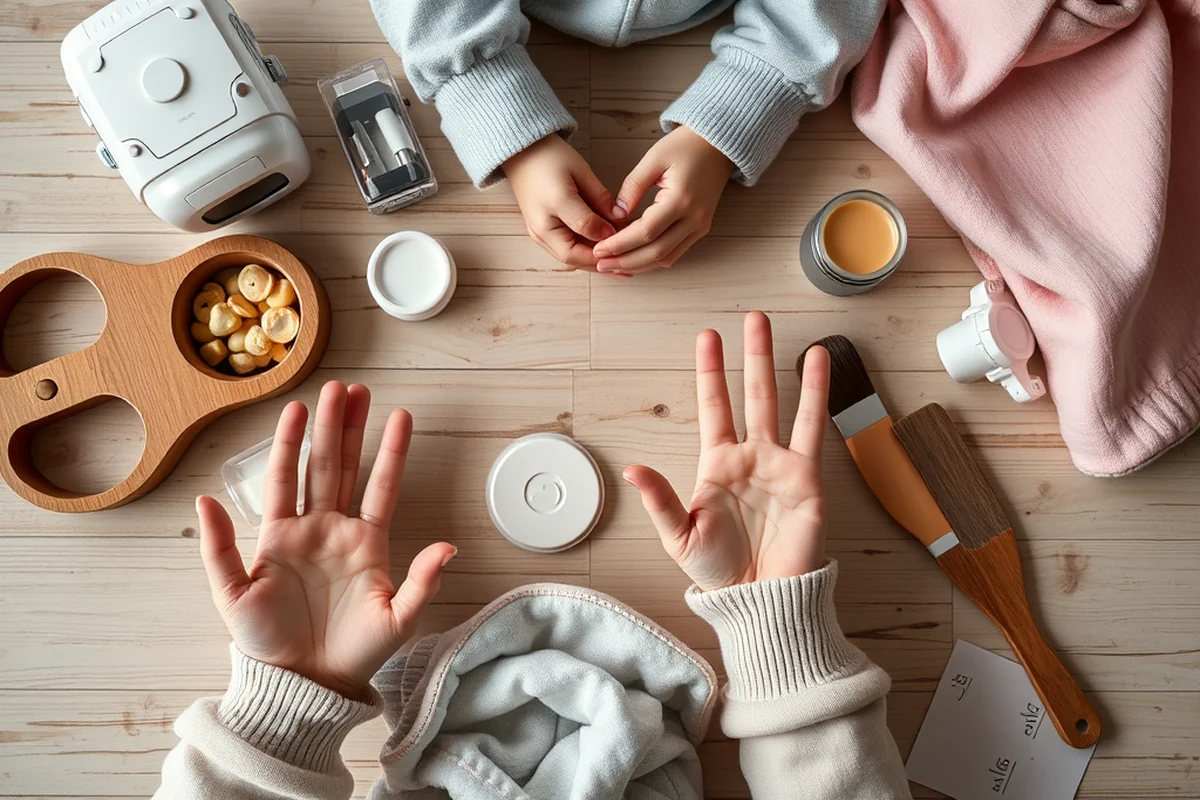
I used to think that shared meals were just about the food, but I’ve learned that they’re really about the connection. When we sit down together and eat, even if the conversation is awkward or the food is burnt, it’s still a chance to be together. And that, in itself, is valuable.
One of the most meaningful meals I’ve had with my kids was a simple dinner of grilled cheese and soup. We didn’t have any grand plans, but we talked about our day, laughed about the mess we made in the kitchen, and even sang a few songs. It was messy, but it was real.
Shared meals also teach kids about responsibility, patience, and the importance of slowing down. I’ve noticed that when we eat together, my kids are more likely to listen and engage in conversation. It’s a small but powerful way to build family bonds.
Related: Sibling benefits 2
The Benefits of Family Traditions
I used to think that family traditions had to be something big — like an annual trip or a holiday celebration. But I’ve learned that even small, everyday traditions can have a big impact. Whether it’s a weekly movie night or a daily bedtime story, these rituals help create a sense of stability and connection.
One of the traditions we started with our kids was a weekly “family meeting.” It’s a simple 15-minute check-in where we talk about what’s going well, what’s not. How we can support each other. It’s not perfect, but it’s helped us communicate better and feel more connected.[3]
Family traditions are also a way to pass down values and create a sense of identity. Whether it’s a tradition of volunteering together or a ritual of reading a book before bed, these small moments become the foundation of a strong family.
Related: Older sibling benefits
The Joy of Learning Together
I used to think that learning was something that happened at school, but I’ve discovered that it can also be a great family activity. Whether it’s solving a puzzle together or reading a book out loud, these moments help build a love of learning and a sense of curiosity.
One of the most memorable learning experiences we had was when we did a science experiment together. My kids were fascinated by the reaction when we mixed baking soda and vinegar, and it sparked a conversation about chemistry that lasted for days. It was a simple experiment, but it made learning fun and interactive.
Learning together also helps parents and kids connect on a deeper level. When we’re engaged in an activity that challenges us, we’re more likely to communicate, problem-solve, and support each other. It’s a win-win for everyone.
Learning together turns moments into memories and curiosity into connection.
Related: Veteran sibling benefits
The Magic of Unplugging and Being Present
I used to think that family bonding required a lot of planning, but I’ve learned that sometimes the best moments are the ones where we just stop and be present. Whether it’s a quiet evening with no screens or a simple game of charades, these moments of unplugging can create deep connections.
One of the hardest parts of parenting is dealing with the constant distractions of technology. But when we set aside time to be together without phones, tablets, or computers, we’re able to focus on each other and truly listen. It’s not always easy, but it’s always worth it.
Unplugging also helps kids develop better communication skills and emotional intelligence. When we’re not distracted by screens, we’re more likely to engage in meaningful conversations and build stronger relationships. It’s a small change that can make a big difference.
🧘 Gentle Approach
Focus on low-pressure, low-energy activities that allow everyone to participate at their own pace.
🚀 Fast-Track Option
Try quick, easy activities that can be done in under 30 minutes, like a short walk or a game of memory.
✈️ Travel/Away-from-Home Option
Pack simple, portable activities that can be done anywhere — from a hotel room to the back of a car.
👶 Multiples Option
Choose activities that are suitable for siblings of all ages, ensuring that everyone can participate and enjoy the experience.
🔄 Regression Reset
Use familiar activities to help kids feel grounded and connected during times of transition or stress.
| The mistake | Why it happens | The fix |
|---|---|---|
| Forcing activities that don’t interest the kids | This can lead to resistance and frustration, making the activity feel more like a chore than a bonding experience. | Let your kids have a say in what you do. Ask them what they enjoy and try to find activities that align with their interests. |
| Overplanning and making everything too structured | This can take away from the spontaneity and joy of the activity, making it feel forced and inauthentic. | Leave room for flexibility. Sometimes the best moments come from unplanned, impromptu activities. |
| Trying to do too many things at once | This can overwhelm everyone and prevent any real connection from happening. | Focus on one activity at a time. It’s better to have a few meaningful moments than to rush through a list of things to do. |
| Not being present during the activity | If you’re distracted by work, technology, or other tasks, your kids may feel ignored or unimportant. | Put your phone away and give your full attention to the activity. Let your kids know that you’re there for them and that you’re enjoying the moment with them. |
Family Bonding Activities
Common Questions
How can I bond with my kids if I work long hours?
What if my kids don’t like the same activities?
How can I keep family bonding activities from feeling like a chore?
What if we don’t have time for big family projects?
References
- LISTEN TO US - DCFS - Illinois.gov (dcfs.illinois.gov)
- Bridge Resource Family Handbook - Oklahoma.gov (oklahoma.gov)
- School, Family, and Community Partnerships: Your Handbook for ... (govinfo.gov)
Cite this guide
Sibling Rivalry Solutions (2026). Family Bonding Activities. https://siblinglogic.com/family-bonding-activities/
Feel free to cite or share this guide.