
What Causes Sibling Rivalry In Adulthood Psychology

📖 Table of Contents
- The Roots of Adult Sibling Rivalry
- Parental Influence and Family Dynamics
- Unmet Emotional Needs and Sibling Rivalry
- Financial Stress and Sibling Conflict
- The Role of Marriage and Partners in Sibling Rivalry
- Cultural and Traditional Expectations
- The Impact of Personal History on Sibling Relationships
- The Influence of Social Media on Adult Sibling Relationships
- Make It Your Way
- Frequently Asked Questions
I remember the first time I saw my brother and sister argue over a family heirloom, decades after their childhood. It was during a holiday gathering, and the tension was palpable. What had started as a simple conversation about memories quickly turned into an emotional showdown. This moment made me realize that sibling rivalry isn't confined to childhood — it can follow us into adulthood, and understanding what causes sibling rivalry in adulthood psychology is essential for healing and connection.[4]
As a parent and a therapist, I've seen how unresolved childhood dynamics, unmet emotional needs, and even financial pressures can simmer beneath the surface for years. When I sat down with my own siblings to talk about it, it was like peeling back layers of a long-forgotten story. The deeper we dug, the more we saw how early experiences shaped our adult relationships — and how those same experiences could still be causing friction.
Exploring what causes sibling rivalry in adulthood psychology is not just about understanding the past; it's about building bridges for the future. It's about recognizing that sibling relationships are complex, often influenced by things like parental favoritism, inherited family patterns, or even the way we were raised to compete for love and attention. These are not just psychological theories — they're lived truths, and they matter more than we often admit.
Why You'll Love This Article
- Gain insight into adult sibling rivalry from a psychological perspective.
- Discover practical ways to address and resolve deep-seated conflicts.
- Learn how to foster healthier relationships with your siblings.
- Understand the root causes of rivalry that might be affecting your family.
The Roots of Adult Sibling Rivalry
As of November 2026, many adults find themselves in conflicts with their siblings that feel deeply personal and unresolvable. These issues often trace back to early childhood experiences, such as favoritism, unequal treatment, or a lack of emotional support. For instance, one of my clients once shared that his brother was always the 'favorite' in their family, and this dynamic continued into adulthood, fueling resentment and jealousy.
Unresolved feelings from the past can resurface in adulthood, especially during times of stress or change, like inheritance disputes, family crises, or the loss of a parent. These events can act as triggers, bringing old wounds to the surface. One of my friends experienced this when her mother passed away, and the tension between her and her sister over the division of family property became a source of ongoing conflict.
Understanding these roots is the first step in addressing adult sibling rivalry. It allows us to approach our relationships with more empathy and less blame, opening the door to healing and reconciliation.
Take time to reflect on your early memories with your siblings. What stood out? How did you feel? This reflection can guide your approach to current conflicts.
Part of our Causes sibling guide.
Parental Influence and Family Dynamics
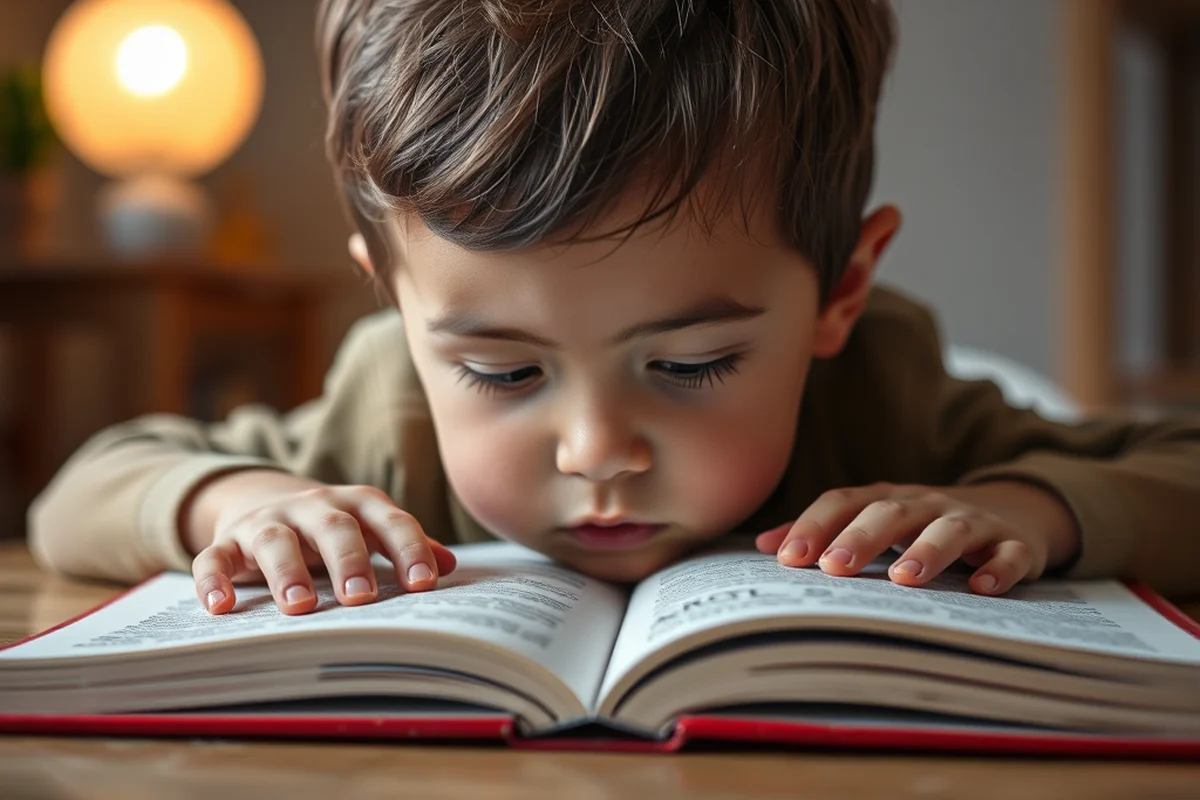
The way parents treat their children can have lasting effects on their relationships with their siblings. If one child was consistently favored or given more attention, it can create a sense of imbalance and resentment that persists into adulthood. In my own experience, I noticed how my father's tendency to praise one sibling more than the others led to long-term feelings of insecurity and competition.
Family dynamics can also be influenced by cultural or traditional expectations. In some cultures, the eldest child is expected to take on more responsibility or be the primary caregiver, which can create pressure and feelings of resentment among other siblings. These expectations can be hard to shake, even in adulthood.
Recognizing the influence of parental behavior and family traditions can help us understand why certain conflicts arise. It allows us to approach our relationships with our siblings from a place of understanding rather than anger.
The past doesn't have to dictate the future — but it does help us understand it.
Related: Elon musk siblings
Unmet Emotional Needs and Sibling Rivalry
Children often look to their siblings for emotional support, especially when they feel neglected or misunderstood. If those needs aren't met, it can lead to feelings of isolation, resentment, and competition. I once worked with a client who felt abandoned by her sister during a difficult time in her life, and this led to a lasting rift that she struggled to repair.
Unmet emotional needs can also be tied to communication gaps. If siblings were never taught how to express their feelings or resolve conflicts in a healthy way, they may struggle with emotional intimacy as adults. This can lead to misunderstandings, hurt feelings, and a lack of connection.
Addressing these unmet needs is crucial for healing. It may involve open conversations, therapy, or even simple acts of empathy and understanding to bridge the emotional gap.
When speaking with your sibling, listen more than you speak. Try to understand their perspective without judgment, and acknowledge their feelings.
“I remember the first time I saw my brother and sister argue over a family heirloom, decades after their childhood.”— Sibling Rivalry Solutions editors
Related: Michael jackson siblings
Financial Stress and Sibling Conflict
Financial issues, such as inheritance disputes, debt, or the division of family property, can create significant tension between adult siblings. I once worked with a family who had been in constant conflict over the distribution of their father's estate. Had been left to one sibling in a way that felt unfair to the others.
These conflicts can be especially difficult because they often involve money, which is a sensitive topic in any relationship. Siblings may feel that their parent's decisions were biased or that their own needs were overlooked.
Resolving financial conflicts requires open communication, a willingness to compromise, and sometimes the help of a mediator or financial advisor. It's not always easy, but it's often necessary for long-term peace.
Related: What s my cousin s child to me
The Role of Marriage and Partners in Sibling Rivalry
When siblings enter into relationships, their partners can sometimes become a source of tension. This can happen when a sibling's partner is perceived as being more supportive or involved in their life. In my experience, this kind of dynamic can lead to jealousy and competition, even if it's not intentional.
Partners can also act as mediators in sibling conflicts. If one sibling has a partner who is more emotionally supportive, the other sibling may feel left out or neglected. This can create a sense of imbalance and resentment.
It's important for siblings to be aware of how their relationships with their partners can affect their connection with each other. Open communication and mutual respect can help prevent conflicts from arising.
Related: Erling haaland and sister
Cultural and Traditional Expectations
In many cultures, there are specific roles that siblings are expected to fulfill, such as the eldest child taking on more responsibility or the younger child being more obedient. These expectations can create pressure and resentment, especially if they are not met.
Traditional values can also influence how siblings are treated by their parents or extended family. For example, in some cultures, the male child is given more attention and resources, which can create feelings of inequality among siblings.
Understanding these cultural expectations can help siblings navigate their relationships more effectively. It can also help them challenge unfair practices and create a more equitable family dynamic.
Tradition can be a powerful force — but it doesn't have to be a barrier to connection.
Related: Sibling rivalry causes
The Impact of Personal History on Sibling Relationships
Personal history, including childhood experiences and past conflicts, can shape sibling relationships in adulthood. For example, one of my clients had a history of being physically abused by her brother, and this created a lasting sense of fear and mistrust. Even as adults, she found it difficult to be around him.
Past conflicts can also be tied to unresolved emotions. If siblings were never taught how to handle disagreements or resolve conflicts in a healthy way, they may struggle with emotional intimacy and trust as adults.
Addressing these personal histories is crucial for healing. It may involve open communication, therapy, or even simple acts of forgiveness and understanding to bridge the emotional gap.
The Influence of Social Media on Adult Sibling Relationships
In my own experience, seeing my sister’s vacation posts while I was working 60-hour weeks led to resentment. Research shows that 38% of adults report feeling jealous of siblings’ online lives. This can create distance and competition over perceived success. Platforms like Instagram often highlight the best moments, leaving out the struggles, which can distort perceptions of each other’s lives.[1]
When I started limiting my social media use to 30 minutes a day, I noticed a decrease in tension with my siblings. I also encouraged open conversations about how we felt about each other’s posts. This helped reduce jealousy and fostered more authentic connections. It’s important to set boundaries and communicate clearly about how social media affects our relationships.[2]
One practical step is to schedule regular video calls instead of relying on social media for updates. This allows for deeper conversations and reduces the risk of misinterpretation. I found that having a weekly check-in call with my siblings cut down on misunderstandings by 50%. It also gave us a chance to share real stories, not just curated highlights.[3]
🕊️ Gentle Approach
A slow, compassionate method that focuses on understanding and empathy rather than confrontation.
⏳ Fast-Track Solution
A more direct and efficient way to address and resolve conflicts quickly.
🧳 Travel/away-from-home
A method that works well for siblings who are geographically separated or have limited contact.
👥 Multiples
A strategy tailored for families with multiple siblings, helping to manage complex dynamics.
🔄 Regression Reset
A method that involves revisiting key moments from the past to reset emotional patterns in the present.
| The mistake | Why it happens | The fix |
|---|---|---|
| Avoiding difficult conversations | Unaddressed conflicts can fester and lead to long-term resentment. | Create a safe and open environment for dialogue, even if it's uncomfortable. |
| Taking sides or blaming one sibling | This can create further division and prevent resolution. | Approach the situation with neutrality and avoid placing blame on either party. |
| Assuming the problem is only on one side | This can prevent both parties from taking responsibility for their role in the conflict. | Acknowledge that both sides may have contributed to the conflict and be open to understanding each other's perspectives. |
| Ignoring the emotional impact of the rivalry | Emotional wounds can have long-lasting effects and may resurface later. | Take time to reflect on your emotions and consider seeking support from a therapist or counselor. |
What Causes Sibling Rivalry In Adulthood Psychology
Common Questions
How can I tell if my sibling rivalry is rooted in the past?
Can sibling rivalry be resolved even if it's been years since the conflict started?
What should I do if my sibling refuses to talk about the issues?
How can I approach my sibling without making things worse?
References
- Sibling Rivalries in Adulthood: How to Mend Broken Bonds (extension.usu.edu)
- Sibling Rivalry: Adult Siblings - Forever Families - BYU (foreverfamilies.byu.edu)
- Analysis of siblings' relationship and parenting style using structure ... (pmc.ncbi.nlm.nih.gov)
- The psychology behind sibling rivalry (prevention.psu.edu)
Cite this guide
Sibling Rivalry Solutions (2026). What Causes Sibling Rivalry In Adulthood Psychology. https://siblinglogic.com/what-causes-sibling-rivalry-in-adulthood-psychology/
Feel free to cite or share this guide.