
The Household Game
📖 Table of Contents
- What is 'the household game'?
- How to create your own 'household game'
- What are the benefits of playing this game?
- What are some common mistakes to avoid?
- How to handle conflicts during the game
- How to adjust the game as your family grows
- How to involve the whole family in the game
- Make It Your Way
- Frequently Asked Questions
I remember the day my son decided to take over the living room like it was his personal kingdom. He moved every toy, rearranged the furniture, and even declared a 'new rule' that no one could sit on the couch unless they said 'please' three times. It was both hilarious and exasperating — and honestly, it was the first time I realized that managing a household with multiple children was more of a game than a chore.[1]
That moment, though chaotic, sparked something in me. I started thinking about how to turn the daily juggle of parenting into a structured, even fun, experience. I began experimenting with games, rules, and routines that transformed the household from a battlefield of toddler tantrums and sibling squabbles into a place where everyone felt heard, respected, and engaged.
What I learned over the next few years was that 'the household game' isn't just about playing with kids — it's about creating a system that rewards cooperation, builds empathy. Makes the everyday mess of raising a family feel like a shared adventure. And if you're ready to take the plunge, you're in for a journey that's as rewarding as it is unexpected.
Why You'll Love This Approach
- It transforms chaos into cooperation
- Builds respect and empathy between siblings
- Encourages problem-solving and communication
- Makes household responsibilities feel like a team sport
What is 'the household game'?
As of October 2026, at its core, 'the household game' is a system that allows parents to create a fair and engaging environment for their children. It's not about control, but about collaboration. I first tried it with my two boys, ages 5 and 7, and within a week, they were following rules without being asked. It's about giving them a stake in the outcome — and the results can be surprising.
I set up a simple board with spaces for chores, time-outs, and rewards. Each space had a point value, and the children could move their pieces based on their actions. The more they helped, the closer they got to their goals. Over time, I noticed a shift — not only in their behavior, but in their attitude toward each other.
The key was consistency. I made it clear that the game wasn't about punishment, but about cooperation. And to my surprise, the kids started helping each other, even when they weren't supposed to. It was a small but meaningful change in their dynamic.
Begin with one or two rules and a simple reward system, like a sticker chart or a shared goal. This helps build momentum and avoids overwhelm for the whole family.
Part of our Feud kids guide.
How to create your own 'household game'
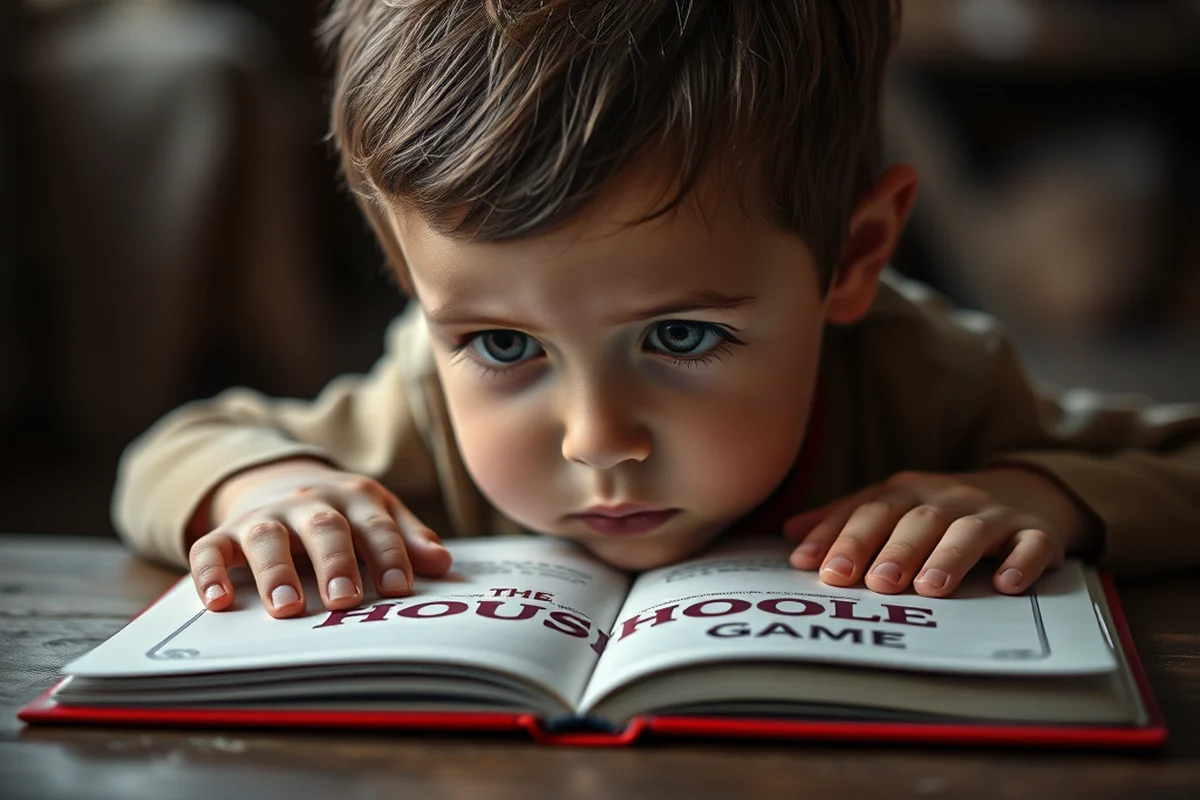
The first step was to sit down with my kids and figure out what worked for us. I wanted to avoid a rigid system that felt forced. Instead, I focused on making the game relevant to their lives. For example, I created a goal where they had to clean up after themselves three times in a row to earn a special activity, like a family movie night.
I used a whiteboard to track their progress, and we set a timer for 30 minutes each day to play the game. The timer helped keep things moving and prevented the game from dragging on. It became a fun part of our routine, and even my husband got involved, which helped reinforce the rules and rewards.
Over time, the game evolved. We added new challenges, like helping with dinner or sharing toys, and adjusted the rules as our family changed. The most important thing was that the game felt like something we created together, not something imposed on us.
A game that feels like it's made by the family, not forced on them.
Related: Family feud home edition
What are the benefits of playing this game?
One of the most noticeable changes was how my children started to communicate better. They began talking about their feelings, asking for help, and even resolving conflicts on their own. I used to spend hours trying to mediate between them, but now they were doing it without me. It was incredibly freeing.
Another benefit was the way the game helped my kids understand the value of effort. They didn't see chores as a punishment, but as a way to earn something they wanted. It taught them that hard work had a direct, visible result — and that made them more motivated to participate.
And for me as a parent, the biggest benefit was the peace of mind that came from knowing I was giving my children a tool to manage their own behavior. It didn't eliminate all conflicts, but it gave them a way to handle them that felt fair and constructive.
Set a 30-minute time limit for each game session to keep things moving and avoid burnout. This helps children learn to manage their time and energy effectively.[2]
“I remember the day my son decided to take over the living room like it was his personal kingdom.”— Sibling Rivalry Solutions editors
Related: Family feud questions
What are some common mistakes to avoid?
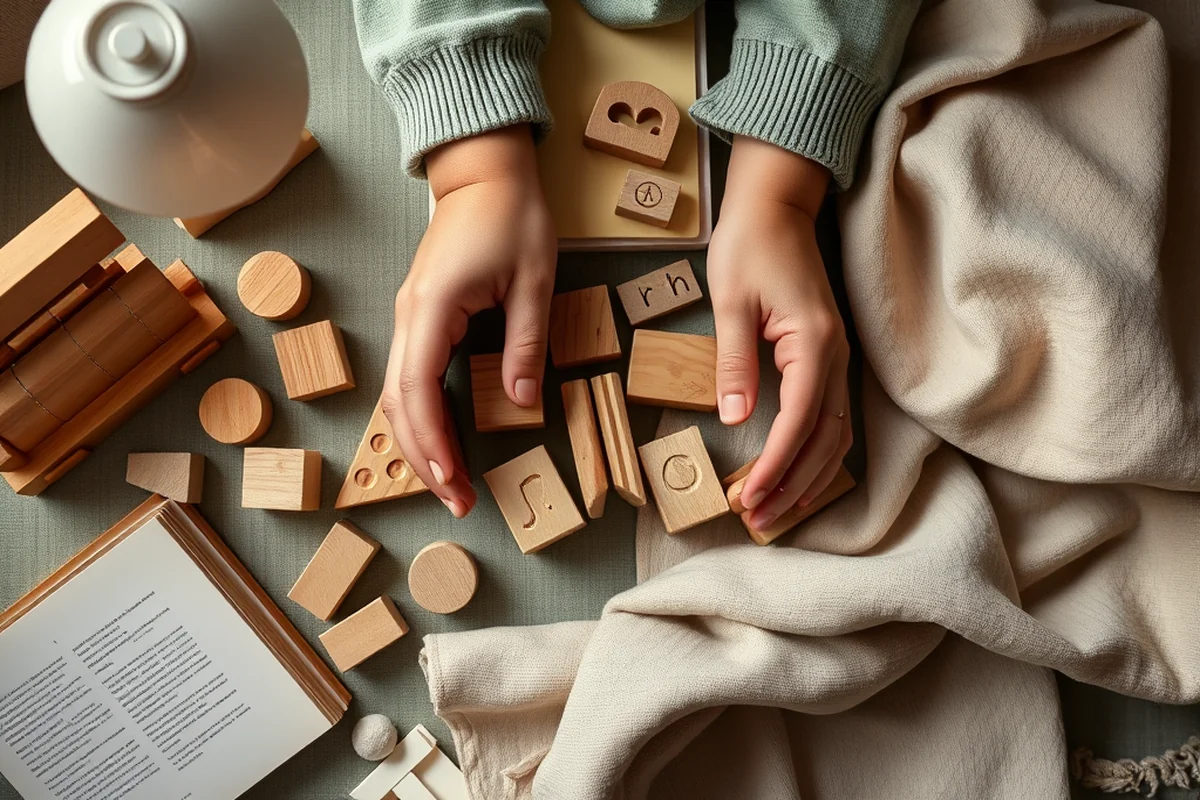
One of the biggest mistakes I made early on was trying to cover too many areas at once. I had a rule for cleaning, sharing, and even bedtime — and it quickly became overwhelming for my kids. I realized that fewer, more specific rules were easier to follow and more meaningful.
Another pitfall was not being consistent with the rewards. I had a system where my kids could earn a sticker for each chore, but sometimes I forgot to give them their reward. This led to confusion and frustration. I learned to set a clear schedule for when rewards would be given and stuck to it.
I also made the mistake of being too rigid. At first, I didn't allow any exceptions, and that made the game feel unfair. I realized that flexibility was important, and that sometimes breaking the rules a little could teach the kids about grace and forgiveness.
Related: Family feud questions with answers
How to handle conflicts during the game
I found that when conflicts arose, the best approach was to step in gently and guide the kids through the problem. I would ask them to explain their side of the story and then help them find a solution. This taught them how to handle disagreements without yelling or hitting.
Sometimes, the kids would get frustrated and want to stop the game. In these moments, I would remind them that the game was a chance to learn and grow — not just about winning or losing. It helped them see that their feelings were valid, but also that they could work through them.
Over time, the game became a place where my kids learned to listen to each other, compromise, and take responsibility for their actions. It wasn't always perfect, but it was a start — and that's what mattered.
Related: Family feud game in tv
How to adjust the game as your family grows
When my oldest son turned 10, he was ready for more complex tasks and rules. I adjusted the game by adding more advanced chores, like helping with laundry or setting the table. It was a way to keep the game relevant and challenging for him.
I also realized that the game needed more flexibility for my younger son. He was still learning how to manage his time and focus, so I simplified some of the rules and gave him more support. This helped him feel successful without being overwhelmed.
Adjusting the game as our family changed made it feel more like a living, breathing part of our home — not just a temporary solution. It was an investment in our family's long-term growth and happiness.
A game that evolves with your family — not one that stays the same forever.
Related: Big brother network
How to involve the whole family in the game
I found that involving my husband in the game was one of the most effective ways to reinforce the rules and rewards. He would play with the kids during the game and help them stay on track. It was a way for him to connect with our children and be more involved in their daily lives.
I also made sure that we all had a role in the game. My husband took on the role of the 'game master', while I was the 'rule keeper'. This helped distribute the responsibilities and made the game feel more like a team effort.
As the game progressed, my kids started to take on more of the roles themselves. They began to help each other with tasks and even came up with new rules on their own. It was amazing to see how much they had grown and how much they were now taking ownership of their environment.
🧶 Gentle Approach
A low-pressure version that focuses on emotional support and understanding over strict rules and rewards.
⚡ Fast-Track Approach
A streamlined version that gets the game up and running quickly with minimal setup and maximum results.
🧳 Travel/Away-from-Home Approach
A version that works well on the go, with rules and rewards that can be adapted to different environments.
👶 Multiples Approach
Tailored for families with twins or more children, with rules and rewards that encourage teamwork and shared goals.
🔄 Regression Reset Approach
A version that helps families reset their routines and rules after a period of chaos or change.
| The mistake | Why it happens | The fix |
|---|---|---|
| Adding too many rules at once | This can overwhelm children and make the game feel unfair or too difficult to follow. | Start with one or two simple rules and gradually add more as your children become more comfortable with the system. |
| Forgetting to be consistent with rewards | Inconsistent rewards can confuse children and make them lose interest in the game. | Set a clear schedule for when rewards will be given and make sure to follow through every time. |
| Being too rigid | A game that doesn't allow for flexibility can feel unfair and discourage participation. | Allow for exceptions and be open to adjusting the rules as needed. This teaches children about grace and understanding. |
| Ignoring the emotional needs of the children | A game that doesn't take into account the emotional state of the children can feel like a punishment rather than a fun experience. | Make sure the game is a positive and supportive experience. Encourage communication and understanding, and be willing to adapt the game to meet the needs of your children. |
The Household Game
Common Questions
How long does it take to see results from the household game?
What if the kids don't want to play the game?
How do I handle conflicts that happen outside of the game?
Can I use this approach with teenagers?
References
- Undergraduate Student Spaces - Babson College (babson.edu)
- 2026-2027 Alaska Hunting Regulations (adfg.alaska.gov)
Cite this guide
Sibling Rivalry Solutions (2026). The Household Game. https://siblinglogic.com/the-household-game/
Feel free to cite or share this guide.