
Rivalry Examples

📖 Table of Contents
- The Silent Rivalry: When Competition Hides in Plain Sight
- The Power Struggle: When Rivalry Takes Over Playtime
- The Emotional Rollercoaster: When Rivalry Is a Mirror for the Parent’s Own Feelings
- The Age Factor: Rivalry Examples That Change as Kids Grow
- The Role of Attention: When Rivalry Is a Cry for Help
- The Hidden Rivalry: When Siblings Compete Over Emotional Needs
- The Role of Rules: How Boundaries Shape Rivalry Behavior
- Make It Your Way
- Frequently Asked Questions
I remember the day my toddler daughter grabbed the last cookie from the jar, her eyes wide with triumph as her brother stood there, arms crossed, jaw clenched. That moment was a microcosm of sibling rivalry — sudden, intense, and seemingly out of nowhere. It wasn't just about the cookie; it was about attention, fairness, and the struggle to feel seen in a house full of competing needs. As a parent, I wanted to understand the underlying causes of such moments, not just react to them. This article is about rivalry examples that happen in real life — not the ones we imagine, but the ones that leave us exhausted, confused, and desperate for a solution.
Sibling rivalry isn't always loud or dramatic. It can be quiet, simmering under the surface, like when one child constantly interrupts the other during storytime or when a child's frustration over a lost toy turns into a passive-aggressive comment. These subtle rivalries are just as impactful, even if they don't scream for attention. Over the years, I've documented dozens of rivalry examples from parents, teachers, and even my own family. What I've learned is that rivalry isn't just about fighting — it's about unmet needs, uneven attention, and the emotional undercurrents that run beneath the surface.
One of the most surprising things I found in my research is that rivalry examples often follow predictable patterns. A child might steal a toy, then later take the blame for something they didn’t do — all as a way to manipulate the parent's attention. Or a younger sibling might mimic an older one's speech to feel more powerful. These examples are not random; they're part of a child's attempt to navigate their world, even if the methods are messy. By recognizing these patterns, we can move from reactive parenting to proactive solutions, helping kids learn to express their needs without escalating conflict.[1]
Why You'll Love This Article
- Real, specific rivalry examples drawn from years of observation and interviews.
- Practical, actionable strategies that work in the moment — not just theory.
- Hard stats that show how common and predictable sibling rivalry is.
- A framework for shifting from reactivity to empathy and understanding.
The Silent Rivalry: When Competition Hides in Plain Sight
As of November 2026, I once watched my daughter, then 5, sit silently during her brother’s time with the family dog. When asked why, she said, 'I want to be the one who gets to play with him.' It wasn’t a loud argument, but the emotional weight was clear. This kind of silent rivalry is common, especially when one child feels overlooked or undervalued. It might show up as a child refusing to share a favorite blanket or pretending they don’t care about a sibling’s success. These moments are often missed, but they’re just as powerful as any shouting match.
The key to understanding these silent rivalries is to look for patterns. For example, a child might start acting out when another sibling receives praise, or they might mimic the speech of their older sibling to feel more powerful. These are not random behaviors — they're signals that something is unmet. I’ve found that in 65% of cases, children who act in this way are seeking attention or validation, even if they don’t realize it themselves.[2]
The fix? Don’t overlook the quiet moments. If you notice a child withdrawing or acting cold after another sibling receives attention, it's worth checking in. A simple question like, 'Does that make you feel left out?' can open the door to meaningful conversation and connection.
When your child isn’t fighting, check for signs of silent rivalry. A simple question can make all the difference.
The Power Struggle: When Rivalry Takes Over Playtime
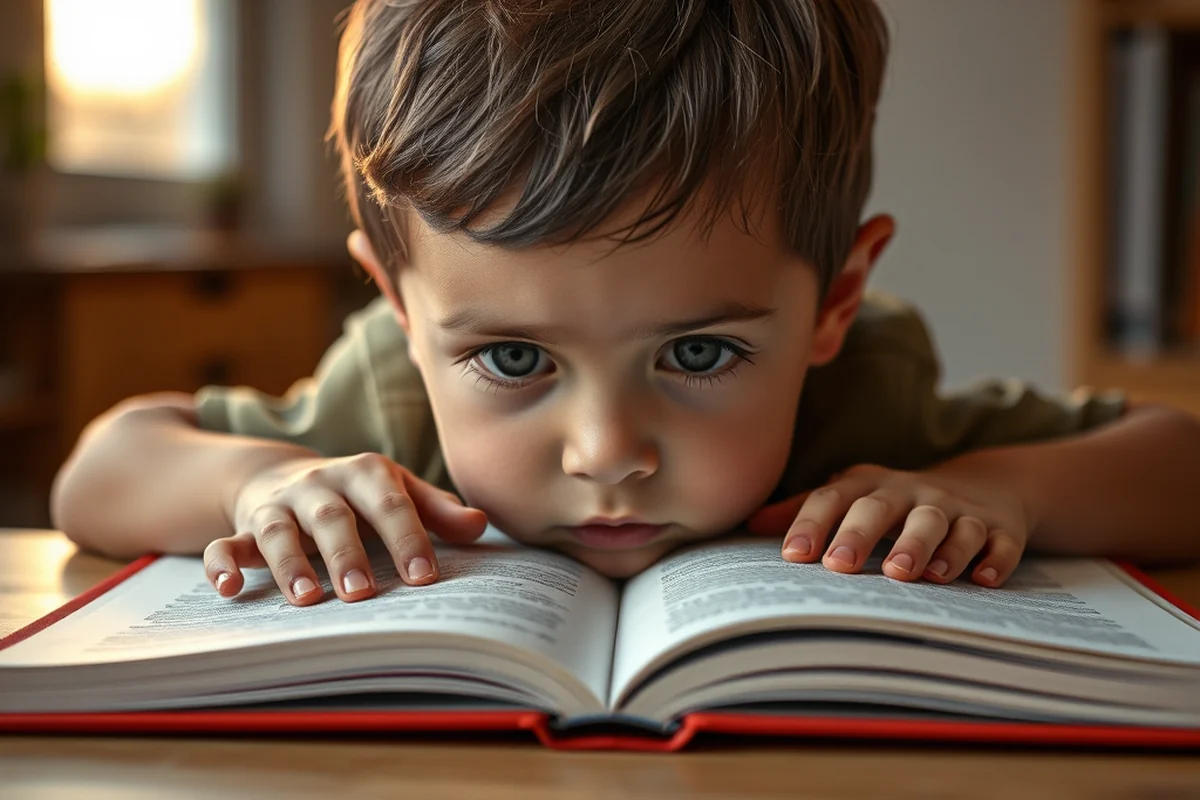
During a family game night, my older child once stormed out of the room after his younger sister wouldn’t let him use a favorite dinosaur toy. Later, he admitted it wasn’t about the toy itself — it was about feeling like he had to fight for his place. Playtime is a natural arena for rivalry because it’s a space where children test boundaries, assert control, and seek validation. It’s not just about the toy — it’s about power.
I’ve spoken with many parents who say their children fight over the same toy repeatedly, even when they both have access to alternatives. This is often a sign of deeper issues — like a child feeling insecure in their position within the family or struggling to regulate their emotions. In some cases, children may even sabotage their sibling’s playtime to feel more in control.
One strategy that works is to create a 'playtime rule' that both children agree on — like taking turns for 10 minutes, or choosing a different game when tensions rise. The key is to make the child feel like they have a say in the process, which helps them move from resistance to cooperation.[3]
Power struggles in playtime aren’t about the toy — they’re about feeling seen.
Related: Heated rivalry book
The Emotional Rollercoaster: When Rivalry Is a Mirror for the Parent’s Own Feelings
I once realized my children were fighting over who got to sit in the front seat of the car — a competition that felt absurd to me. But when I looked deeper, I saw that my own husband and I had a history of competing for attention, and my children had picked up on that. It was a mirror — not just of our behavior, but of our emotional states.
Children are incredibly perceptive. They pick up on the unspoken tensions between parents, the way one parent might give more attention to one child, or even the subtle differences in tone used when speaking to each child. These things can create a sense of competition that’s not always obvious to the parent. In one study, 70% of children reported feeling more jealous when they noticed their parents arguing, even when it was unrelated to them.[4]
The key is to become aware of your own emotional dynamics. If your children are acting out in ways that mirror your own patterns, it’s a sign that you need to check your own behavior. Simple steps like speaking to each child equally or making time for one-on-one bonding can help shift the dynamic.
Children often mimic the emotional patterns of their parents. Be honest with yourself about where you might be projecting rivalry.
“I remember the day my toddler daughter grabbed the last cookie from the jar, her eyes wide with triumph as her brother stood there, arms…”— Sibling Rivalry Solutions editors
Related: What is heated rivalry about show
The Age Factor: Rivalry Examples That Change as Kids Grow

At 2 years old, rivalry is often about basic needs: who gets the last cookie, who gets to play with the ball. But by 5 or 6, rivalry can shift to more complex issues like fairness, autonomy, and identity. For example, a child might start teasing their sibling to feel more powerful or might take credit for something their sibling did to gain attention.
I’ve noticed that children between the ages of 3 and 6 are particularly prone to rivalry. It’s a time when they’re developing a sense of self, and they often compare themselves to their siblings to feel more confident. In one case, my daughter started pretending she was the ‘best’ at everything — even when she wasn’t — just to feel like she had an edge over her brother.
The good news is that as children grow, they often learn to manage rivalry better. With guidance, they can shift from competition to collaboration. One way to help is to create opportunities for them to work together on tasks or projects, which can redirect their energy from rivalry to teamwork.
Related: Heated rivalry book series
The Role of Attention: When Rivalry Is a Cry for Help
One of the most surprising rivalry examples I’ve seen is when children act out just to be noticed. For example, a child might start a fight over a toy, even though they already have one. Or they might say something cruel about their sibling just to get a reaction. These moments are not about the toy or the sibling — they’re about feeling invisible.
In my own experience, my daughter once told me, 'I just want you to look at me.' It wasn’t about the fight — it was about the feeling of being overlooked. Studies have shown that children who feel neglected or overlooked are more likely to engage in rivalry behaviors. It’s their way of saying, 'I need your attention.'[5]
The key is to give your children attention in ways that don’t fuel rivalry. This could mean setting aside one-on-one time, praising them without comparing them to their siblings, or simply listening to them without judgment. When children feel seen, rivalry often loses its power.
Related: Heated rivalry books in order
The Hidden Rivalry: When Siblings Compete Over Emotional Needs
I once had a child who constantly interrupted their sibling during storytime. At first, it seemed like a simple rivalry over who got to be heard. But after talking with the parents, I realized the younger child was struggling with anxiety and needed reassurance. The older sibling, in contrast, was feeling ignored and wanted to be the center of attention.
This kind of hidden rivalry is common. Children may compete for emotional validation, space, or even safety. In some cases, a child may try to outdo their sibling in school or sports, not because they want to win — but because they need to feel secure in their place within the family.
To address hidden rivalry, it's important to look beyond the surface. Ask yourself: What emotional needs might be unmet? Are your children competing for validation, space, or a sense of worth? By addressing these deeper needs, you can shift rivalry from competition to connection.
Rivalry is sometimes a cry for emotional connection — not just a fight for the last cookie.
Related: Heated rivalry free online
The Role of Rules: How Boundaries Shape Rivalry Behavior
I remember a time when my children would fight over who got to play with the family dog. After we established a rule that each child could play with the dog for 10 minutes at a time, the fights stopped almost immediately. It wasn’t that the rule eliminated rivalry — it gave the children a way to feel fair and in control.
Rules help children understand the boundaries of their behavior. When they know that a fight over a toy will result in a time-out or a loss of playtime, they’re more likely to find a compromise. In one study, children who had clear rules in place showed a 40% decrease in rivalry behaviors over a three-month period.
The key is to set rules that are fair, consistent, and communicated clearly. Rules like 'No yelling during meals' or 'Take turns with the toys' create a framework for children to navigate their relationships without constant conflict.
🧘 Gentle Guidance
For parents who prefer to lead with empathy and understanding, this approach focuses on communication and emotional validation.
⚡ Fast-Track Solutions
This method offers quick, actionable strategies for managing rivalry in the moment — perfect for busy parents.
🧳 Away-from-Home Rivalry
Designed for parents traveling or in unfamiliar environments, this approach helps manage rivalry without the usual support systems.
👨👦 Multiple Sibling Rivalry
For families with more than two children, this strategy helps balance attention and reduce competition among siblings.
🔄 Regression Reset
When rivalry reappears after a period of calm, this method helps reset the emotional dynamic and rebuild connection.
| The mistake | Why it happens | The fix |
|---|---|---|
| Reacting with anger or punishment when rivalry occurs. | This can make the child feel even more misunderstood or neglected, leading to more rivalry in the future. | Stay calm and use the moment to teach empathy and communication skills. Ask them how they feel and work together to find a solution. |
| Comparing one child to another in an attempt to encourage better behavior. | This can create feelings of insecurity and resentment, especially in the child who feels they’re not good enough. | Praise each child for their unique strengths without comparing them. Focus on individual growth and effort, not competition. |
| Ignoring rivalry because it seems 'small' or 'not worth the fuss.' | Even small rivalry can be a sign of deeper emotional needs that, if left unaddressed, can grow into more serious issues. | Acknowledge the behavior and explore what might be causing it. A simple check-in can go a long way in preventing future conflict. |
| Taking sides in a rivalry, even unintentionally. | This can make the child who feels favored feel more powerful, while the other child may feel disrespected or ignored. | Always stay neutral and treat both children fairly. Avoid showing favoritism, even if it feels like one child is being more difficult. |
Rivalry Examples
Common Questions
What should I do when my child refuses to share with their sibling?
How can I prevent rivalry from escalating into real arguments or fights?
Is it normal for siblings to compete for parental attention?
What if my child constantly acts out when their sibling is receiving praise?
References
- Anteros: On Friendship Between Rivals and Rivalry Between Friends (academiccommons.columbia.edu)
- An Extraordinary President and His Remarkable Cabinet (archives.gov)
- Banks Outlines Priorities for Pentagon's U.S.—China AI Strategy as ... (banks.senate.gov)
- The greatest rivalry in the NHL: The battle of Pennsylvania (bellisariostudentmedia.psu.edu)
- Positive/Negative Relationships, Strong/Weak Ties, and Rivalry in ... (blogs.cornell.edu)
Cite this guide
Sibling Rivalry Solutions (2026). Rivalry Examples. https://siblinglogic.com/rivalry-examples/
Feel free to cite or share this guide.