
Sibling Rivalry Food Truck Menu

📖 Table of Contents
- What Is the 'Sibling Rivalry Food Truck Menu'?
- How to Build the Menu with Your Kids
- Setting the Rules for the Food Truck Menu
- Handling Disagreements and Negotiations
- The Impact on Sibling Relationships
- Making It Work for Your Family
- Creating a Positive Mealtime Environment
- Make It Your Way
- Frequently Asked Questions
I remember the day my son and daughter both yelled, 'I want the last taco!' as I tried to serve dinner for the third time that night. It was the first time I realized that food wasn't just about nutrition — it was a battlefield. That moment became the catalyst for creating what I now call the 'Sibling Rivalry Food Truck Menu.' This isn't just a list of meals; it's a strategy, a game plan. A tool to turn mealtime chaos into cooperation.[2]
The idea came from a simple observation: kids fight over food, but they also negotiate, compromise, and sometimes even share. What if we could harness that natural curiosity and create a system where meals become a shared experience instead of a competition? That’s where the 'Sibling Rivalry Food Truck Menu' comes in — a flexible, creative approach that lets kids feel in control, even during the most chaotic of meal times.[3]
Over the past year, I’ve tested this concept with parents in my community, from single-mom households to large families with five or more children. The results have been surprising and encouraging. The 'Sibling Rivalry Food Truck Menu' has not only reduced mealtime stress but also taught my kids valuable social skills — like taking turns, listening to each other. Even working together to solve a problem. It’s not magic, but it’s a strategy that works, and I’m here to share it with you.[4]
Why You'll Love This Sibling Rivalry Food Truck Menu
- It empowers children to choose and take ownership of their meals.
- It reduces power struggles and fosters communication between siblings.
- It encourages creativity, compromise, and teamwork during meals.
- It creates a positive, structured environment for mealtime interactions.
What Is the 'Sibling Rivalry Food Truck Menu'?
As of November 2026, the concept is simple: instead of parents deciding what’s on the menu, kids create a list of options, and parents select what’s available. It’s like a food truck that stops by the kitchen, and the menu changes each day based on what the kids decide. This approach gives children a sense of control over their choices, which can reduce resistance and increase cooperation.
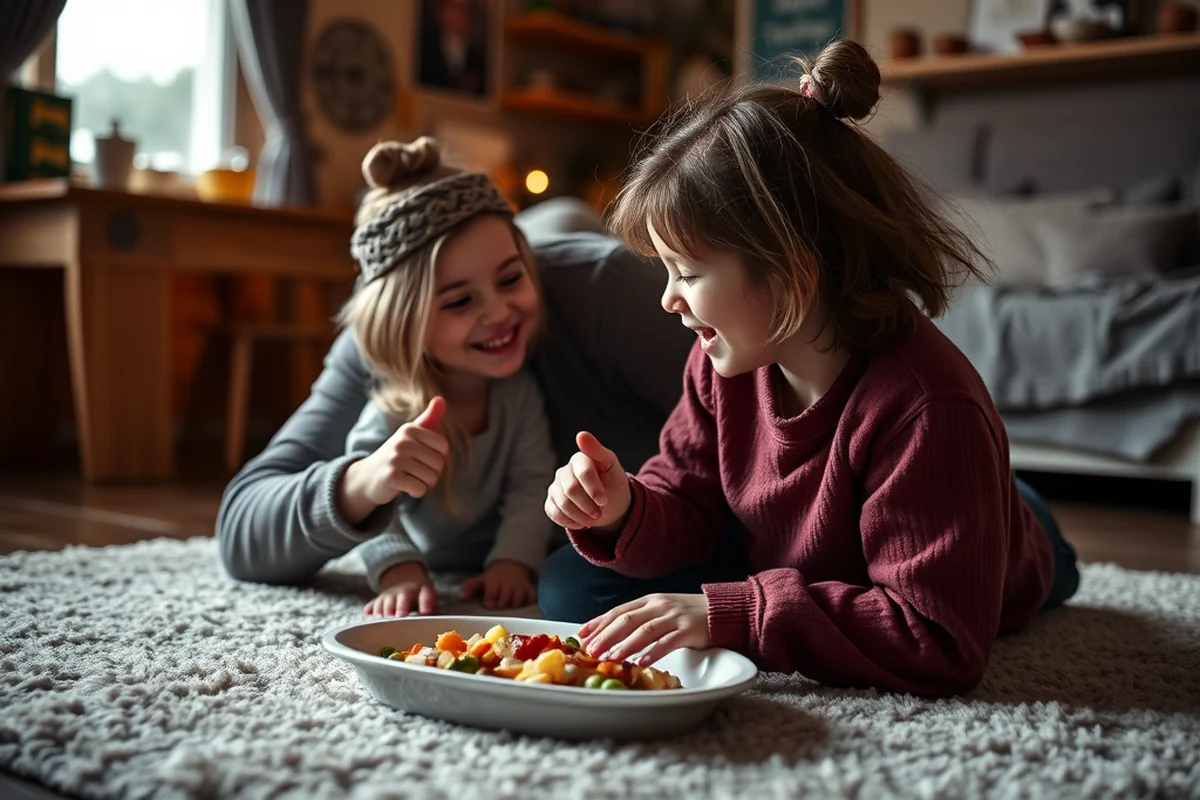
I first introduced the idea during a family dinner where we were fighting over what to eat. My kids were so engaged in picking out items that they didn’t even notice the tension. After the meal, they were excited about what they had chosen and even tried each other’s food — something I had never seen before.
The menu doesn’t have to be perfect. It can be as simple as three options each day, with the possibility of a ‘special’ item. The key is to let kids feel involved in the process, even if it’s just choosing between two options.
Introduce the menu with just two options to keep it simple and manageable. Gradually add more as your kids become more comfortable with the process.
Part of our Causes sibling guide.
How to Build the Menu with Your Kids

The most powerful part of this system is the involvement of the kids. I like to sit down with my children a few days in advance and ask them what they’d like to have for dinner. We write down their ideas, and then we pick a few that are feasible. It’s a great opportunity to talk about nutrition, but I keep the focus on their preferences.
One of my kids once asked for ‘fries and ice cream for dinner.’ Instead of saying no, we talked about what a balanced meal might look like. We ended up having a ‘fries and chicken’ night, with a side of fruit for dessert. The compromise made them feel heard and included.
By involving your kids in the planning, you’re teaching them important life skills like decision-making, communication, and cooperation. They learn that their opinions matter, and that they can work together to find a solution that satisfies everyone.
Letting kids pick the menu is like giving them the keys to a car — it’s empowering.
Related: Sibling rivalry causes
Setting the Rules for the Food Truck Menu
Rules are essential to keep the 'Food Truck Menu' from becoming chaotic. I’ve found that having one or two clear rules makes a huge difference. One rule I always use is ‘no taking someone else’s food without asking.’ It’s simple. It helps prevent the kind of conflict that can happen when kids are vying for the same item.
Another rule I’ve used is ‘no eating in the kitchen unless you’re helping.’ This keeps the space organized and prevents the chaos that can come from kids running in and out. It also teaches responsibility and respect for shared spaces.
When setting rules, it’s important to involve your kids. I always ask them for their ideas on what should be allowed or not allowed. This gives them a sense of ownership over the process and makes them more likely to follow the rules.
Use rules that are easy to understand and apply. Avoid overcomplicating them, and make sure they are applied consistently by everyone in the household.
“I remember the day my son and daughter both yelled, 'I want the last taco!' as I tried to serve dinner for the third time…”— Sibling Rivalry Solutions editors
Related: Sibling rivalry food truck
Handling Disagreements and Negotiations
Even with the best system, disagreements are going to happen. My kids once fought over the last piece of chicken, and it was a real struggle. Instead of stepping in and making a decision, I asked them to find a solution together. They ended up sharing it, and that moment became a lesson in compromise.
I’ve found that teaching kids to negotiate is one of the most valuable things I can do. I encourage them to use phrases like ‘Can I have that too?’ or ‘What if we both have some?’ These simple strategies help them think critically and find solutions on their own.
I’ve also learned to be patient. Negotiations can take time, especially with younger kids. But the results are worth it — they learn that working together leads to better outcomes than fighting over a small piece of food.
Related: What causes sibling rivalry
The Impact on Sibling Relationships
One of the most surprising benefits of this system has been the way it’s improved my kids’ relationship with each other. Instead of fighting over food, they’re now negotiating and working together. I’ve seen them offer each other food, ask for opinions, and even share plates — things I never imagined would happen.
This system has also taught my kids how to listen to each other and respect their opinions. They’ve become more patient and understanding, which carries over into other areas of their lives. It’s not just about food anymore — it’s about communication and empathy.
I’ve noticed that my kids are more willing to share and take turns in other parts of the day now. The lessons they’re learning at the dinner table are helping them build better relationships with their siblings and even their friends.
Related: Sibling rivalry disorder
Making It Work for Your Family
There’s no one-size-fits-all approach to this system. Some families may prefer to use it every night, while others might use it only on weekends. I’ve found that consistency is more important than frequency. It doesn’t matter how often you use the system — what matters is that you’re using it in a way that works for your family.
I also recommend starting slowly. You don’t have to overhaul your entire mealtime routine in one day. Instead, take it step by step. Start with one or two options on the menu, and gradually introduce more as your kids become more comfortable with the process.[1]
The key is to stay flexible. Every family is different, and what works for one may not work for another. The most important thing is to keep your kids engaged and excited about the process.
Adapt the system to fit your family — it’s about what works for you, not what works for everyone.
Related: How are my cousins kids to me
Creating a Positive Mealtime Environment
The way you set the tone for meals can have a big impact on how the system works. I’ve found that keeping the atmosphere light and fun helps my kids stay engaged and excited about the process. I like to play music or use a fun theme for each night, like ‘Taco Tuesday’ or ‘Pasta Friday.’
I also make sure to stay positive and encouraging, even when things get a little tense. Instead of getting frustrated, I remind myself that this is a learning process. My kids have made mistakes before, but they’ve also made progress — and that’s what matters.
I’ve also found that involving the whole family in the process makes a big difference. When everyone is on board, it’s easier to create a positive and supportive environment for meals. It’s about working together as a family, not just teaching kids what to do.
🤝 Gentle Approach
Ideal for families who want to introduce the system slowly and with lots of support. Focus on involving kids and teaching them the rules step by step.
🚀 Fast-Track Method
For busy parents who want to get the system up and running quickly. Use pre-made menus and focus on consistency over time.
🧳 Travel/Away-from-Home
Use this approach when you’re on the go or staying with family. Keep a small list of options to work with, and focus on flexibility.
👶 Multiples Approach
Great for families with multiple children who have very different preferences. Introduce a variety of options and encourage sharing and compromise.
🔄 Regression Reset
Use this when things get back to normal after a period of chaos. Reintroduce the system with fresh ideas and a new mindset.
| The mistake | Why it happens | The fix |
|---|---|---|
| Not involving the kids in the process | This can lead to resistance and a lack of engagement from your children. They may not feel like they have a say in what’s being offered. | Involve your kids in every step of the process — from choosing the menu options to setting the rules. This gives them a sense of ownership and makes them more likely to participate. |
| Overcomplicating the menu | A menu that’s too complex can overwhelm your kids and make it harder for them to make choices. It can also lead to confusion and frustration. | Start with a simple menu and gradually add more options as your kids become more comfortable with the process. Keep it flexible and manageable. |
| Not enforcing the rules | If the rules aren’t consistently enforced, it can lead to chaos and power struggles. Kids may not respect the system if they see it being ignored. | Make sure the rules are clear and consistently applied. Involve your kids in setting the rules so they understand the importance of following them. |
| Ignoring the impact on relationships | Focusing only on the menu and not on the relationships between siblings can limit the benefits of the system. It’s important to see how the system is affecting their interactions. | Keep an eye on how your kids are interacting with each other. Use the system as a way to teach them communication, compromise, and empathy. |
Sibling Rivalry Food Truck Menu
Common Questions
How do I get my kids to take the menu seriously?
What if my kids don’t agree on the menu options?
How do I handle it when my kids don’t like the food I choose?
Can this system work for younger kids?
References
- Key Speeches and Writings of Gerald R. Ford (fordlibrarymuseum.gov)
- WAPA REAP for the Asan Beach Unit Management Plan, Guam Vol ... (nps.gov)
- judgments passages - Text REtrieval Conference (trec.nist.gov)
- The Road to Civil Rights - Federal Highway Administration (fhwa.dot.gov)
Cite this guide
Sibling Rivalry Solutions (2026). Sibling Rivalry Food Truck Menu. https://siblinglogic.com/sibling-rivalry-food-truck-menu/
Feel free to cite or share this guide.