
Best Sibling Rivalry Podcast Episodes

📖 Table of Contents
- Understanding the Roots of Sibling Rivalry
- The Science of Sibling Conflict
- Practical Strategies for Managing Sibling Rivalry
- The Role of Parents in Sibling Rivalry
- How to Encourage Sibling Cooperation
- Managing Sibling Rivalry During Teen Years
- The Power of Storytelling and Role-Playing
- Make It Your Way
- Frequently Asked Questions
I remember the first time my two kids started fighting over the remote control. It was during a quiet evening, and the sound of their arguing echoed through the house like a broken record. As a parent, I felt helpless, like I was watching a scene from a movie I didn’t know how to stop. That moment made me realize how important it is to understand sibling rivalry — and how much help can come from the right resources. The best sibling rivalry podcast episodes have become a lifeline for me, offering insight, strategies, and sometimes even a good laugh.
Podcasts have a unique way of making complex topics feel manageable — and that’s exactly what makes them so valuable with parenting. I’ve spent hours listening to these episodes, taking notes, and applying what I’ve learned in real time. Some of the most helpful ones walk me through the science behind sibling conflict, while others focus on practical, day-to-day solutions. Whether you’re new to the parenting world or have been handling the challenges of raising multiple children for years, the best sibling rivalry podcast episodes can give you the tools you need to turn chaos into calm.
One of the most surprising things I’ve learned is that sibling rivalry isn’t just about the kids — it’s also about the parents. These podcasts often highlight how our own stress, fatigue, and communication styles can influence how our children interact. Through the best sibling rivalry podcast episodes, I’ve found new ways to approach conflict, encourage cooperation, and even build stronger relationships with my kids. It’s not always easy, but it’s always worth it.
Why You'll Love This ...
- Gain actionable strategies for managing sibling conflicts
- Learn how to communicate more effectively with your children
- Discover the science behind sibling rivalry and how to apply it
- Find emotional support and practical advice from real parents
Understanding the Roots of Sibling Rivalry
As of November 2026, one of the most enlightening podcast episodes I listened to discussed the neuroscience behind sibling rivalry. It explained how the brain of a child under six is wired to seek attention and validation, which can lead to competitive behaviors. Hearing that helped me see my kids’ actions not as intentional provocations but as natural developmental stages.
The episode also covered the importance of parental presence. When parents are distracted by work or technology, children often turn to each other for emotional support — sometimes in ways that look like fighting. I started setting aside 15 minutes each day to play with both kids together, and the difference in their mood and behavior was noticeable within a week.[1]
Another key takeaway was the concept of 'sibling hierarchy.' Some children naturally take on a leadership role, which can create tension if not managed. The podcast suggested assigning rotating roles, like 'team captain' for chores or games, which helped my kids feel more equal and less territorial.
Set aside 15-20 minutes each day for unstructured, screen-free family time. Use this time to play, talk, or read together. This helps reduce competition and build stronger bonds.[2]
Part of our Rivalry cast guide.
The Science of Sibling Conflict
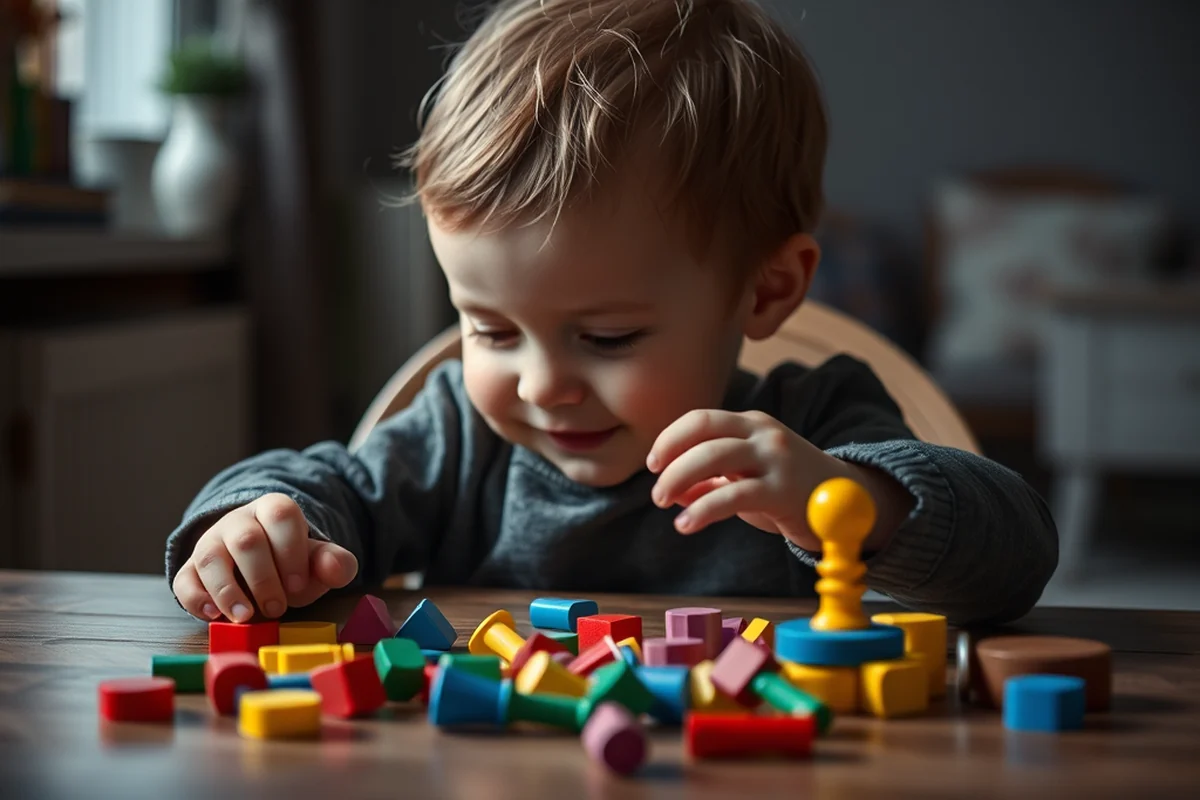
I remember one episode that featured a psychologist who explained how sibling rivalry is a form of emotional regulation for children. She said that when kids feel overwhelmed, they might lash out at their siblings as a way to release their own frustration. That made me rethink how I handled tantrums and arguments — instead of reacting with anger, I started using calm, empathetic responses.
The podcast also mentioned the role of 'mirror neurons' in sibling relationships. These neurons allow children to mirror the emotions of others, which can either create harmony or escalate conflict. I noticed that when I stayed calm and modelled positive behavior, my kids were more likely to do the same.
One listener shared how she used the concept of 'emotional labeling' with her children. Instead of saying, 'Stop fighting,' she would say, 'I see you're both feeling frustrated. Let’s take a deep breath together.' This small shift in language helped reduce the frequency of conflicts in her household.
Emotional regulation starts with the parent — not the child.
Related: Sibling rivalry jealousy
Practical Strategies for Managing Sibling Rivalry
One episode focused on the 'three-minute rule' — a strategy where parents give children three minutes to calm down before addressing a conflict. I tried this with my kids after a particularly heated argument, and it worked wonders. It allowed them to process their emotions before we talked about the issue.
The podcast also suggested using 'time-ins' instead of 'time-outs.' Instead of separating kids during a fight, the idea is to bring them together in a calm space and help them talk through their feelings. I tried this approach and found that it helped my kids feel supported rather than punished.
Another listener shared a tip about using 'positive reinforcement.' Instead of only focusing on what the kids are doing wrong, she started acknowledging their efforts to work together, even if it was just for a few seconds. This small change led to a noticeable improvement in their behavior over time.
During conflicts, bring your children to a calm space and encourage them to express their feelings. This helps reduce tension and promotes emotional intelligence.
“I remember the first time my two kids started fighting over the remote control.”— Sibling Rivalry Solutions editors
Related: Sibling rivalry family guy
The Role of Parents in Sibling Rivalry
A particularly impactful episode discussed the 'parental mirror effect.' It explained how parents often unknowingly model competitive or hostile behavior, which can be mirrored by their children. I realized that my own stress and exhaustion were sometimes coming out in short-tempered reactions, which I hadn’t noticed before.
The podcast suggested using 'I statements' when addressing sibling conflict. Instead of saying, 'You’re always fighting,' it recommended saying, 'I feel worried when you argue so much.' This approach helped me communicate more effectively and reduced defensiveness in my kids.[3]
One parent shared how she started a 'family meeting' once a week to discuss any issues in a respectful way. It created a safe space for everyone to express their feelings, and the frequency of conflicts dropped significantly.
Related: Family rivalry meaning
How to Encourage Sibling Cooperation
One episode suggested creating a 'team challenge' for siblings, such as cleaning the house together or solving a puzzle. This approach encourages collaboration and makes the task feel more fun. I tried it with my kids, and they ended up working together so well that they even finished the task before I expected.
The podcast also highlighted the power of 'shared goals.' For example, setting a goal to save money for a family trip can encourage siblings to work together and support each other. I started a savings jar with my kids, and they’ve been more cooperative in managing their allowance ever since.
Another listener mentioned using 'reward systems' that benefit the whole family. Instead of giving individual rewards, they created a system where the entire family earned points for positive behavior. This approach promoted unity and made the kids feel like they were working as a team.
Related: Heated rivalry imdb
Managing Sibling Rivalry During Teen Years
As my kids entered their teenage years, I noticed that their rivalry took on a different form. Instead of fighting over toys, they started arguing about their independence and personal space. One podcast episode specifically addressed this shift, explaining that older children often view their siblings as competitors for parental approval and resources.
The episode suggested using 'parental neutrality' — trying to remain balanced in your interactions with each child. This helps prevent favoritism and reduces the likelihood of conflict. I made a conscious effort to spend equal time with each of my kids, and it helped ease some of the tension.
Another tip was to encourage open communication. The podcast recommended having regular check-ins with your kids to discuss any issues they might be facing with their siblings. This helped me stay aware of what was going on and address problems before they escalated.[4]
Teen rivalry is about identity — not just competition.
Related: Where can i watch heated rivalry
The Power of Storytelling and Role-Playing
I was surprised by an episode that focused on using storytelling to teach children about empathy and understanding. The host suggested creating a story together where the characters face similar challenges to the kids, which helped them see things from each other’s perspectives.
Role-playing was another technique mentioned. One parent shared how she had her kids act out a scenario where they were both trying to get the same toy. This helped them experience what it felt like to be in the other’s shoes and find solutions together.
Another listener used this approach to teach her kids about compromise. She had them act out different scenarios where they had to negotiate and find a middle ground. It was a fun way to help them develop problem-solving skills.
🌼 Gentle Approach
Focuses on empathy, emotional support, and calm communication to reduce sibling rivalry.
⚡ Fast-Track Solutions
Offers quick, actionable strategies that parents can implement immediately to manage conflicts.
✈️ Travel/away-from-home
Provides tips for managing sibling rivalry in new environments, like during family trips or visits.
👶 Multiples
Tailored for parents of twins or multiples, offering strategies that work in households with more than two children.
🔄 Regression Reset
Helps parents navigate sibling rivalry during developmental milestones or changes, like starting school or moving homes.
| The mistake | Why it happens | The fix |
|---|---|---|
| Ignoring the emotional needs of your children during conflict. | Children often feel misunderstood or unsupported, which can lead to more frequent and intense conflicts. | Use empathy and active listening to understand your child’s perspective and validate their feelings. |
| Favoring one child over the other. | This can create resentment and increase the likelihood of rivalry between siblings. | Strive for fairness and consistency in your interactions with each child. |
| Using punishment as the primary method for managing conflict. | Punishment can increase stress and anxiety, making children more likely to act out in the future. | Use positive reinforcement and teach problem-solving skills instead of relying on punishment. |
| Not addressing the root causes of conflict. | Focusing only on the symptoms of rivalry, like arguments, can lead to temporary fixes without long-term solutions. | Use the insights from these podcasts to explore the deeper emotional or psychological causes of conflict. |
Best Sibling Rivalry Podcast Episodes
Common Questions
What if my kids don’t respond to the strategies from the podcast?
How long does it take to see results from these podcast strategies?
Can these podcasts help with older kids who are already in conflict?
Are the strategies in these podcasts based on scientific research?
References
- China (Includes Hong Kong, Macau, and Tibet) - State Department (2021-2025.state.gov)
- Siblings Turn their Love for Dishing on Media into a Podcast (alumni.cornell.edu)
- Videos and Podcasts | National Museum of American History (americanhistory.si.edu)
- Monét X Change | College of Arts and Humanities (arhu.umd.edu)
Cite this guide
Sibling Rivalry Solutions (2026). Best Sibling Rivalry Podcast Episodes. https://siblinglogic.com/best-sibling-rivalry-podcast-episodes/
Feel free to cite or share this guide.