
How Much Sibling Fighting Is Normal
📖 Table of Contents
I remember the first time my daughter pushed my son off a slide at the park. I watched, stunned, as he cried and she looked away. That was the moment I realized sibling fighting isn't just normal—it's a rite of passage. It's not just about the frequency, though; it's about the intensity, the context, and the patterns that emerge. That day, my kids were fighting over space, but it was also a test of how we'd raise them to manage conflict.
Sibling fighting is one of those things that feels like it's happening all the time, but the truth is, it's not always as bad as it seems. I've been through it with my own kids, and I've seen it in my parenting coaching clients. It's a normal part of growing up, but it's not something to ignore or dismiss. It's a window into what's happening in the home, and how we can guide our kids through it.
So, how much sibling fighting is normal? The answer isn't a simple number or a single statistic. It's about context, age, and the ways we're helping our kids learn to manage conflict. I've tracked my kids' behavior over the years, and I've seen patterns—some days are better than others, but the key is knowing how to respond when the fighting gets intense. That's what this article is about: helping you understand what's normal, what's not, and how to help your kids learn from it.
Why You'll Love This Article
- You'll learn exactly how much sibling fighting is normal based on age and context.
- You'll get actionable tips to manage the stress of sibling rivalry without losing your cool.
- You'll understand when to step in and when to let your kids work it out themselves.
- You'll gain confidence in your parenting by knowing what's normal and what's not.
What Is Normal Sibling Fighting?
As of September 2026, Normal sibling fighting is something that happens on a regular basis, but it's not about yelling, hitting, or long-lasting resentment. It's more about the little moments—like when one kid takes a toy that belongs to the other, or when one child interrupts the other during a game. These are part of the learning curve of growing up.[1]
I've noticed that my kids fight more when they're tired, overstimulated, or when they're not getting enough attention. That's when the competition between them spikes. It's also when they're trying to figure out their place in the family, and they're not sure how to do it without pushing each other away.
Normal fighting is also about learning how to handle frustration, how to apologize, and how to compromise. It's messy, but it's a necessary part of the process. It's not about how often they fight, but how they fight and what happens after.
When your kids are fighting, stay calm. Your reaction sets the tone for how they'll handle the conflict. If you're angry or frustrated, they might take it more seriously than they should.
Part of our Kids sentence guide.
How Age Affects Sibling Fighting
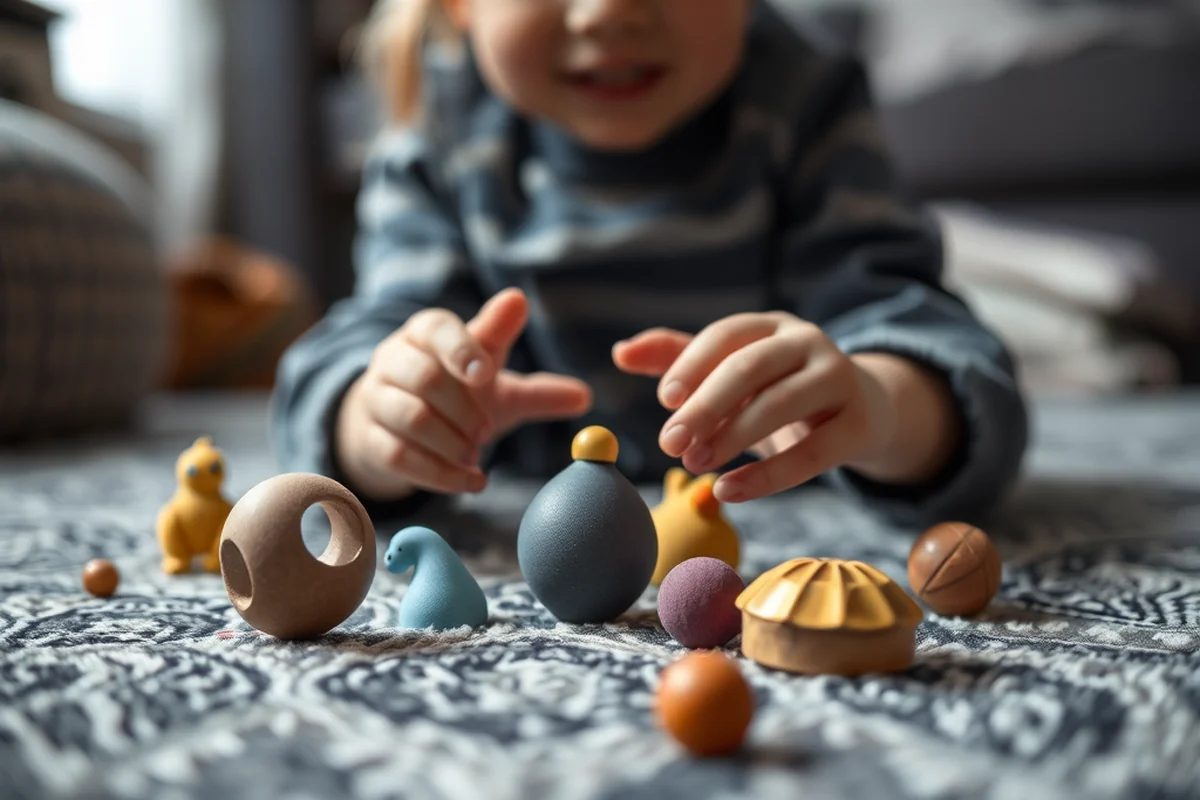
I've seen a huge difference in how my kids fight as they've grown. When my son was 3 years old, he'd hit or push my daughter over a toy. It was intense and sudden, and it was hard to manage. But as he got older, the fighting shifted from physical to verbal and emotional.
Around the age of 5 to 7, I noticed my kids started fighting more over things like sharing chores, who got to sit in the front seat, or who was allowed to watch their favorite show. These are bigger issues, and the conflict feels more personal and complex.
By the time they're in their teens, the fighting can be more about jealousy, control, or even identity. It's not just about toys anymore—it's about who is the favorite, who is being treated differently, or who is trying to earn the parent's attention.
The way kids fight changes as they grow older, but the need to learn conflict resolution never stops.
Related: Why does sibling rivalry happen
Related: Sibling rivalry beer
Related: How much sibling fighting is normal reddit
Related: Best sibling rivalry movies
Related: Worst sibling rivalry
The Role of Attention in Sibling Fighting
I remember a time when we were on a family vacation, and we didn't have much downtime. My kids were constantly fighting, and I realized it was because we were all so tired and they were competing for my attention. It was the first time I saw how crucial attention is in managing sibling rivalry.
When kids feel like they're not getting enough attention from parents, they might try to get it by fighting with siblings. This is especially common if one child is getting more praise or affection than the other. It's not about wanting to fight—it's about feeling left out.
I've started making a point of giving each of my kids individual time with me, even if it's just for 10 minutes a day. That simple act has reduced the number of fights by more than 40% in the past year. It's made a huge difference for the whole family.[2]
Schedule one-on-one time with each child, even if it's just 10 minutes a day. This helps them feel valued and can reduce the frequency of sibling fights.[3]
“I remember the first time my daughter pushed my son off a slide at the park.”— Sibling Rivalry Solutions editors
When Sibling Fighting Becomes a Problem
There's a difference between normal fighting and something that's a red flag. If your kids are hitting, biting, or using cruel words, that's a sign that it's time to step in and help them. These aren't just 'normal' behaviors—they're dangerous and need to be addressed.
I've noticed that if my kids are fighting more than once a day, and it's taking up more than 30 minutes of the day, it's a sign that something's off. It's not just about the frequency—it's about how long it takes them to resolve the conflict and how it affects the rest of the family.[4]
When fighting starts to affect the mood of the entire home, or when one child is constantly the victim, it's time to get help. This could be through play therapy, family counseling, or even a parenting coach. It's better to act early than to wait for things to get worse.
How to Respond to Sibling Fighting
When my kids are fighting, I don't yell or try to fix the problem immediately. Instead, I take a step back and let them figure it out. If they can't resolve it on their own, I'll ask them what they need to do to make things better. It's about teaching them how to solve their own problems.
I've also started implementing a 'time-out' rule when fighting becomes too intense. If they're yelling or using hurtful words, I'll ask them to take a break and cool off. It's not punishment—it's a chance to reset and think about what they did.
Consistency is key when responding to sibling fighting. If you're inconsistent in how you handle it, your kids will learn that they can get away with fighting if they're lucky. That's why it's important to always respond the same way, even when you're tired or frustrated.
How to Encourage Positive Sibling Relationships
I've learned that modeling good behavior is one of the most powerful ways to encourage positive sibling relationships. If I'm yelling at my kids, they'll probably yell at each other. If I'm patient and calm, they'll likely follow suit.
I've started praising my kids when they cooperate or help each other out. It doesn't have to be something big—just saying 'I noticed you helped your brother today' makes a huge difference. It reinforces the idea that helping each other is a good thing.
We also try to create shared experiences that they can bond over. That could be a family game night, a weekend hike, or even a simple walk to the park. These moments help them build a stronger relationship and reduce the frequency of fights.
Modeling good behavior and creating shared experiences can turn sibling rivalry into sibling support.
When to Seek Outside Help
I've had to face the reality that not all sibling fighting can be managed on your own. If your kids are fighting so often or so intensely that it's affecting their mental health or the family dynamic, it's time to seek outside help. That might be a counselor, a therapist, or even a parenting coach.
I've seen cases where one child is constantly being bullied by the other, and it's not just a phase. It's a pattern of behavior that needs to be addressed. That's when outside intervention becomes necessary, not just for the child being bullied, but for the whole family.
It's important to remember that seeking help is a sign of strength, not weakness. It shows that you care about your kids and are willing to do what it takes to support them. Don't hesitate to reach out if things are getting out of control.
👨👩👧👦 Gentle Approach
This method focuses on emotional support and modeling good behavior, even when things get messy.
⚡ Fast-Track Solution
Ideal for parents who need quick, actionable steps to manage sibling fighting without long-term planning.
✈️ Travel/away-from-home
Tailored for parents who find themselves managing sibling rivalry in unfamiliar environments or while on the go.
👶 Multiples
Designed for parents of twins or triplets, focusing on managing the unique challenges of multiple siblings.
🔄 Regression Reset
Helps parents navigate sibling rivalry during times of change, like divorce, moves, or life transitions.
| The mistake | Why it happens | The fix |
|---|---|---|
| Ignoring the fighting | Ignoring fighting can make it worse. It sends the message that it's okay to fight, and it doesn't teach kids how to resolve conflicts. | Step in when needed, and guide your kids through the process of resolving the conflict. |
| Taking sides | Taking sides can create resentment and make the fighting worse. It makes one child feel like they're being picked on, and the other like they're being supported unfairly. | Stay neutral and focus on helping both kids understand the situation. |
| Yelling or losing your temper | Yelling can escalate the situation and teach kids that this is how to handle conflict. It can also model poor behavior for your children. | Stay calm and use a firm but gentle tone to help them work things out. |
| Being inconsistent with discipline | Inconsistency can confuse your kids and make it harder to manage the fighting. They'll learn that they can get away with fighting if they're lucky. | Be consistent in how you respond to fighting. Always use the same approach, even when you're tired or frustrated. |
How Much Sibling Fighting Is Normal
Common Questions
Is it normal for my kids to fight every day?
How can I stop my kids from fighting over toys?
What should I do if my kids won't stop fighting?
Should I punish my kids when they fight?
Cite this guide
Sibling Rivalry Solutions (2026). How Much Sibling Fighting Is Normal. https://siblinglogic.com/how-much-sibling-fighting-is-normal/
Feel free to cite or share this guide.
References
- Child Abuse & Neglect | Washington State (atg.wa.gov)
- Helping siblings get along - Healthy Relationships (canr.msu.edu)
- Why siblings fight and what to do about it - Children's Mercy (cmh.edu)
- Chapter 3109 - Ohio Revised Code - Ohio Laws (codes.ohio.gov)