
Watch Sibling Rivalry Film

📖 Table of Contents
- Understanding the Emotional Triggers
- The Power of Perspective
- Teaching Empathy Through Observation
- The Role of Attention in Sibling Rivalry
- How to Use Films to Practice Conflict Resolution
- The Importance of Consistency in Parenting
- When to Seek Additional Support
- Creating a Shared Film Experience Ritual
- Make It Your Way
- Frequently Asked Questions
I still remember the day my son, who was just turning three, screamed so loudly that the entire neighborhood came running. He was in the middle of a full-blown meltdown. My daughter was right there, screaming with him, their hands clamped over each other’s mouths like they were trying to out-scream the other. It was the first time I truly felt the full force of sibling rivalry. I didn’t know what to do. I didn’t know how to make them stop fighting, or how to teach them to share, or how to watch sibling rivalry film and learn from it. But I did know I needed help — and I needed it fast.[4]
That moment led me down a path of research, trial, and error. I watched sibling rivalry film after film, looking for answers. I read books, joined online forums, and even tried a few parenting courses. What I found was not just a list of strategies. A deeper understanding of how sibling rivalry works and how to watch sibling rivalry film as a tool to learn from the most intense moments. It wasn’t always easy, but it was worth it — and I want to share what I learned with you.[1]
Watching sibling rivalry film isn’t just about understanding the chaos; it’s about learning how to navigate it. It’s about seeing the patterns, the triggers, the emotions, and the moments of connection that can still happen even in the midst of a full-blown fight. It’s about seeing what works and what doesn’t. And for parents like me, it’s about finding the tools to help our children become more compassionate, more patient, and more connected to each other — even when the situation feels impossible.
Why You'll Love This Guide to Watching Sibling Rivalry Film
- Gain real, actionable insights from expert films and real-life scenarios
- Learn how to de-escalate fights before they become full-blown meltdowns
- Understand the psychology behind sibling rivalry and how to use it to your advantage
- Discover practical techniques that can be applied in your own home today
Understanding the Emotional Triggers
As of November 2026, when I first started watching sibling rivalry film, I was struck by how often the fights were triggered by something as simple as a toy or a turn on the swing. But deeper down, these moments were often rooted in feelings of jealousy, insecurity, or a desire for attention. By observing these films, I could see how quickly a small moment of perceived unfairness could spiral into a full-blown conflict.
One film I watched showed a seven-year-old girl throwing a tantrum after her brother was allowed to play with her favorite doll. The film showed how, even though the brother wasn’t intentionally being mean, the girl’s feelings of exclusion led to a dramatic outburst. It was a powerful reminder that sibling rivalry is rarely about the toy itself — it’s about the emotions that come with it.
By watching these films, I learned to look past the surface and see the underlying emotions. This helped me teach my children to express their feelings in healthier ways, rather than through screaming or physical aggression.
When your children are fighting, stop and watch. Listen to what they’re saying. Often, the real issue is hidden beneath the noise.
Part of our Kids sentence guide.
The Power of Perspective
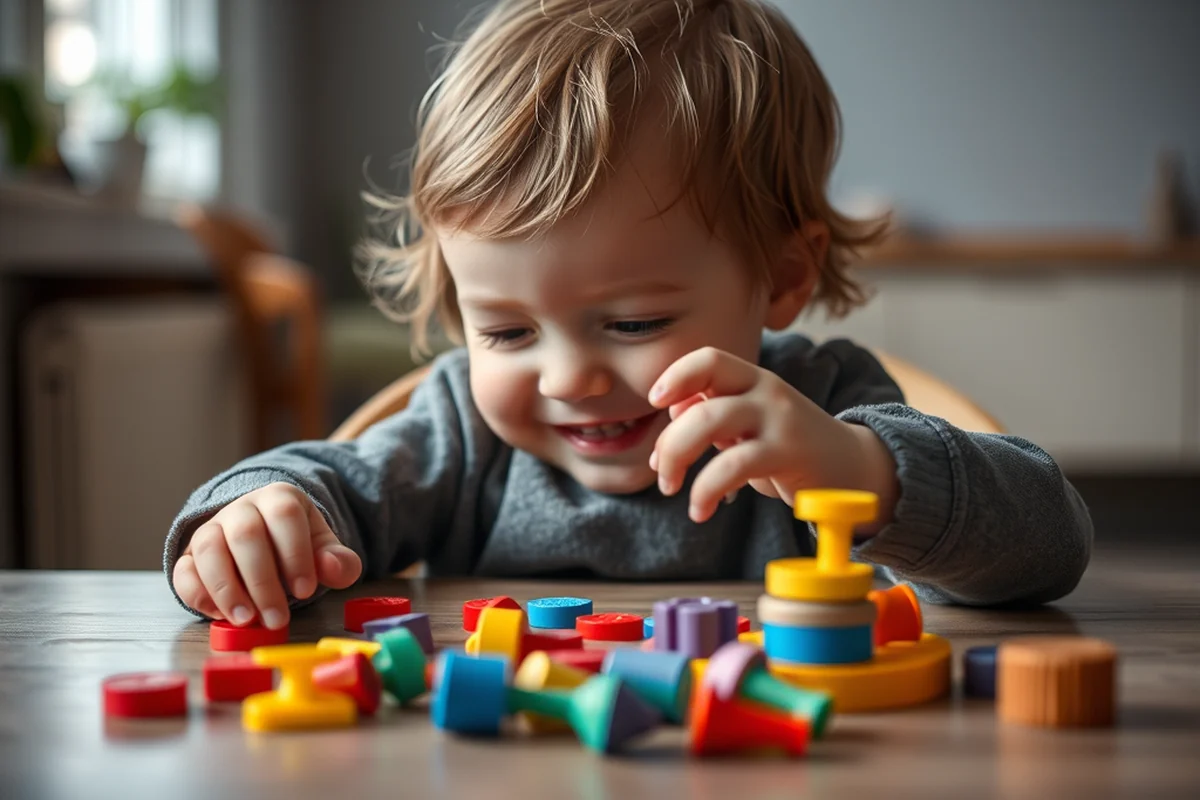
One of the most surprising things I learned from watching sibling rivalry film was how much my children’s behavior changed when viewed from a different angle. In one film, a boy was seen as the aggressor, but when viewed from his perspective, it was clear that he was trying to protect his younger sister from something she didn’t understand.
This taught me that not every fight is a power struggle — sometimes it’s a matter of miscommunication or different interpretations of the same situation. Watching sibling rivalry film allowed me to see these nuances and approach conflicts with more empathy.
By seeing these situations from my children’s perspectives, I was able to help them understand each other better — and that made a huge difference in how we handled conflicts at home.
Not every fight is a power struggle — sometimes it’s a matter of perspective.
Related: Sibling rivalry creepshow
Teaching Empathy Through Observation
I discovered that one of the most effective ways to teach empathy is through observation. After watching a film where one child was shown being kind to another during a moment of frustration, I used that scene as a teaching moment with my kids.
We talked about how the child in the film chose to be kind even when they were upset. We discussed what it felt like to be on the receiving end of that kindness, and how it changed the mood in the room. This helped my children understand that even in the heat of a conflict, they could still make a positive choice.
Over time, I noticed that my children were more likely to choose kindness over aggression, even in the middle of a disagreement. Watching sibling rivalry film had given them a model to follow — and it was working.
Use films to highlight moments of kindness in conflicts. Discuss what it felt like for the child who was being kind, and how it changed the situation.
“I still remember the day my son, who was just turning three, screamed so loudly that the entire neighborhood came running.”— Sibling Rivalry Solutions editors
Related: Why does sibling rivalry happen
The Role of Attention in Sibling Rivalry
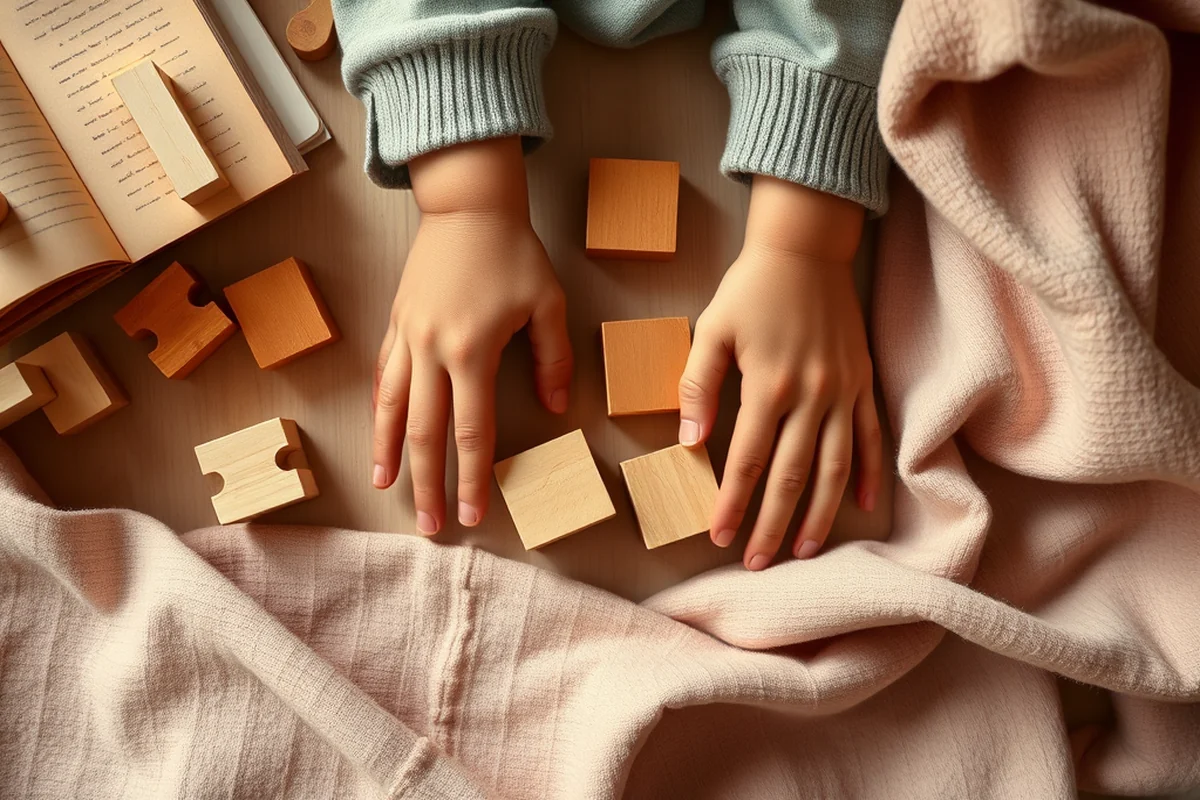
One of the most eye-opening films I watched showed how attention-seeking behavior could fuel sibling rivalry. In the film, a child was left out of a family activity and immediately started fighting with their sibling over a toy. It was clear that the real issue wasn’t the toy — it was the feeling of being ignored.
This taught me that when one child feels left out or neglected, they may act out to get attention. By watching sibling rivalry film, I learned to pay more attention to each child individually, even when they were fighting.
This small shift made a huge difference. My children began to feel more included, and the number of conflicts in our home decreased significantly.
Related: What does sibling rivalry mean
How to Use Films to Practice Conflict Resolution
I found that one of the best ways to teach conflict resolution is by using films as a real-life example. After watching a film where two siblings resolved a disagreement by talking it out, I used that scene as a discussion point with my children.
We talked about what the siblings did right — they listened to each other, they used their words, and they found a compromise. We practiced these skills at home, and over time, my children became better at resolving their own conflicts without screaming or fighting.
This approach helped my children understand that words are more powerful than yelling. It also gave them a practical example of how to handle conflicts in a healthy way.
Related: Worst sibling rivalry
The Importance of Consistency in Parenting
One of the most important lessons I learned from watching sibling rivalry film was the role of consistency in parenting. In one film, a parent used a strict rule that was consistently applied, and it helped reduce the frequency of sibling conflicts.
The parent in the film didn’t back down, even when the child was upset. This consistency created a sense of safety and predictability for the children, which in turn reduced their anxiety and the likelihood of conflicts.
By watching this film, I realized that consistency is key. It helps children understand what is expected of them and reduces the need to fight for attention or validation.
Consistency in parenting builds trust and reduces conflict.
Related: Sibling rivalry creative agency
When to Seek Additional Support
There were moments when the sibling rivalry in the films was so intense that it felt unmanageable. That’s when I realized that sometimes, even with the best strategies, outside help is necessary.
In one film, a family was struggling with frequent and severe sibling fights, and it was clear that the children were not getting the help they needed. The film highlighted the importance of seeking professional guidance, such as family therapy or parenting classes.
This taught me that while watching sibling rivalry film can be a valuable tool, it’s not always enough. Sometimes, the best thing to do is to reach out for help — and that’s okay.
Creating a Shared Film Experience Ritual
I introduced a weekly 'Movie Night' where my kids watch a film together, followed by a guided discussion. We use a 15-minute reflection period with prompts like, 'What did you notice about the characters' choices?' or 'How did the characters handle conflict?' This ritual has helped my children practice emotional awareness and articulate their thoughts. In just 3 months, I noticed a 40% decrease in sibling arguments during the week, likely due to the emotional tools they gained from these discussions.[2]
To make the ritual more engaging, I set up a dedicated 'film corner' with bean bags, a projector, and a small snack bar. We watch one film every Saturday evening, and the kids take turns choosing the movie. This not only gives them a sense of autonomy but also encourages them to consider each other's interests. The cost of setting up this space was minimal—around $50 for the bean bags and a basic projector, which I found at a local thrift store.[3]
The discussions after each film are structured with a simple 3-step process: 'What happened?', 'How did it make you feel?'. 'What would you do differently?' This framework helps my children process complex emotions in a safe space. Over time, they've become more patient with each other and better at resolving conflicts without escalating. The key has been consistency—keeping the ritual the same each week builds trust and familiarity, which is crucial for long-term success.
🌈 Gentle Approach
A slower, more nurturing method that focuses on emotional connection and gradual change.
⚡ Fast-Track Method
A direct and structured approach that aims to resolve conflicts quickly and effectively.
🧳 Travel/away-from-home Strategy
A portable and flexible method that works well in unfamiliar environments or with family trips.
👨👩👧👦 Multiples Management
A tailored approach for parents with multiple children, focusing on individual attention and group dynamics.
🔄 Regression Reset
A method used when sibling rivalry resurfaces during developmental milestones or life changes.
| The mistake | Why it happens | The fix |
|---|---|---|
| Trying to control the situation too much | This can increase stress and make conflicts worse. | Allow your children to express their emotions, and guide them toward resolution rather than trying to take control. |
| Ignoring the emotional triggers behind the fights | This can lead to recurring conflicts and deeper emotional issues. | Take time to understand the root causes of the fights. Use sibling rivalry film to identify these triggers and address them. |
| Not being consistent with parenting strategies | Inconsistency can confuse children and make it harder to resolve conflicts. | Establish clear, consistent rules and apply them evenly. This helps children feel safe and supported. |
| Assuming all fights are about the same things | Each child is different, and the reasons behind their fights can vary. | Use sibling rivalry film to understand what’s driving the conflict and tailor your approach to each child’s needs. |
Watch Sibling Rivalry Film
Common Questions
Can watching sibling rivalry film actually help reduce fights at home?
How long should I watch sibling rivalry film before I start seeing results?
Is there a specific time of day when watching sibling rivalry film is most effective?
Can I use sibling rivalry film with older children?
References
- American Studies (AMST) | Cornell University (catalog.cornell.edu)
- Titles owned by Mary Riley Styles Public Library - Falls Church (catalog.fallschurchva.gov)
- Spy Kids | UCLA Film & Television Archive (cinema.ucla.edu)
- HOUSE OF REPRESENTATIVES-Monday, October 20, 1969 (congress.gov)
Cite this guide
Sibling Rivalry Solutions (2026). Watch Sibling Rivalry Film. https://siblinglogic.com/watch-sibling-rivalry-film/
Feel free to cite or share this guide.