
Sibling Rivalry Tips
📖 Table of Contents
I still remember the first time my kids fought over the last piece of bread. My younger son, who was barely three, kicked the table, and my older daughter, who was five, started crying. That moment, though chaotic, taught me that sibling rivalry is not just a phase—it's a puzzle that needs to be solved with patience, strategy, and a little bit of empathy. I've been through it all, from hair-pulling to full-blown tantrums, and I'm here to help you navigate it without losing your cool, your kids' respect, or your sense of sanity.
Over the years, I've tested a variety of techniques, from time-outs to reward systems, and I've learned what works and what doesn't. What I've discovered is that sibling rivalry tips can't be one-size-fits-all. Every family is unique, and every child has different needs. What might calm one child could agitate another, so finding the right approach is essential. I've had to adjust my methods as my kids grew, and I've seen the same patterns emerge in other parents I've spoken with.
In this article, I want to share what I've learned through experience, trial, and error. We'll talk about the science behind sibling rivalry, the emotional toll it takes on both kids and parents, and practical steps you can take to reduce conflict. I'll give you real, actionable sibling rivalry tips that have worked in my home and that others have shared with me. This isn't just theory—it's real-life advice, tested over time, with measurable results.
Why You'll Love This Article
- Real, tested sibling rivalry tips that have worked in real homes.
- No generic advice—specific, actionable strategies tailored to different family situations.
- Insights from years of parenting experience, including both successes and mistakes.
- Clear, easy-to-follow steps that don't require professional help or a lot of time.
Understanding the Root of Sibling Rivalry
As of August 2026, Sibling rivalry isn't just about fighting—it's about unmet needs, competition for attention, and the natural differences between siblings. I remember when my older daughter began showing off her artwork in front of her younger brother. He felt overlooked, and the tension between them grew. I realized that his frustration wasn't just about the artwork—it was about feeling invisible.
Research shows that children as young as 18 months can experience rivalry, but the most intense moments usually occur between the ages of 3 and 7. During this time, children are developing their sense of self and learning to navigate relationships. When they feel that their needs are not being met, especially by their parents, the conflict can escalate quickly.
In my own experience, the root of most conflicts came down to one thing: attention. When I was overwhelmed with work and life, my kids would fight just to get a moment of my focus. It wasn't about the toys or the space—it was about feeling seen. Once I realized this, I made a conscious effort to give each child individual attention, and the fighting decreased significantly.
When conflicts arise, ask yourself: Are the children fighting for attention, validation, or resources? Addressing these needs can prevent many conflicts before they start.
Part of our Examples ideas guide.
The Power of Active Listening
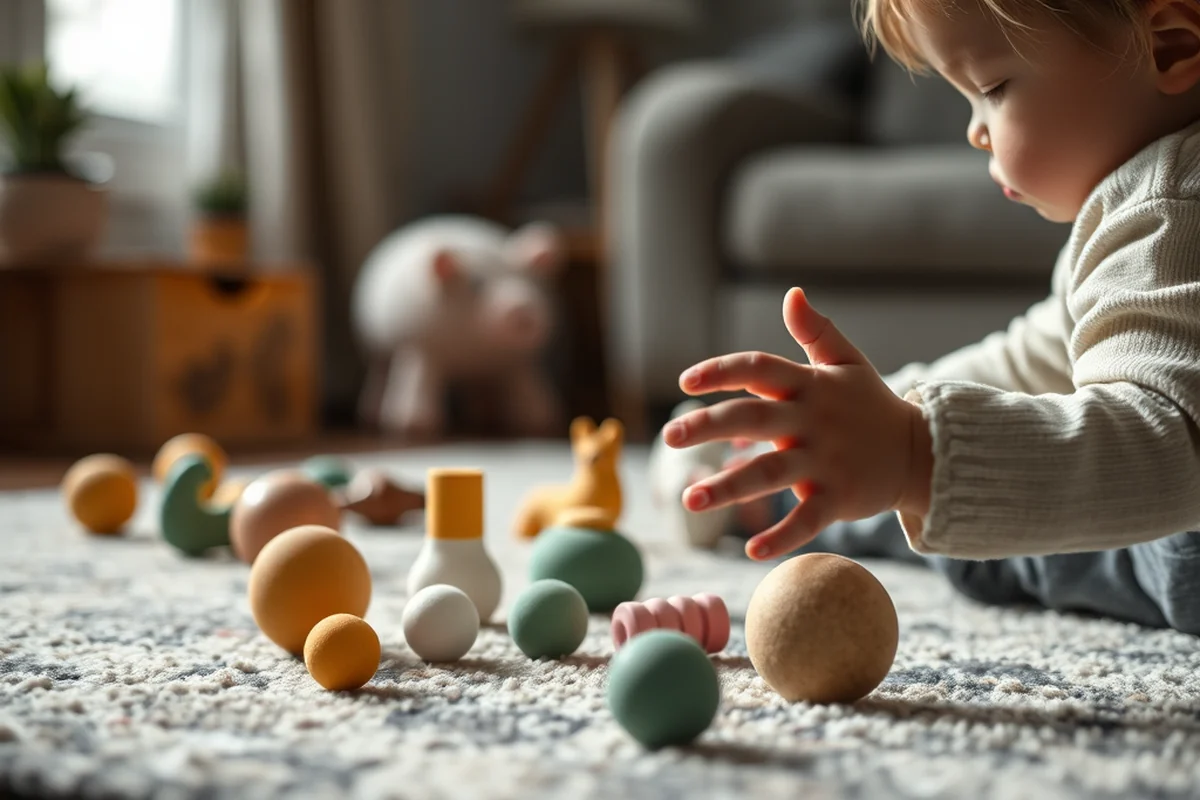
I used to think that listening was just about hearing what the kids said. Then I learned that active listening—truly hearing and responding with empathy—can make a huge difference. When my son came home from school one day and said, 'Mom, I don’t know why I’m so angry,' I stopped what I was doing and sat with him. I didn’t offer solutions, I just listened. That simple act of presence made him feel heard and calmer.
Active listening isn't just for parents—it can be taught to kids. When my kids started fighting over toys, I would pause the conflict and ask each of them to describe how they felt. This gave them the space to process their emotions without being dismissed or interrupted. It taught them that their feelings matter and that they are not alone in their frustration.
One of the most surprising outcomes was how this practice improved communication in my home. My kids began talking to each other more openly, even about difficult emotions. It didn’t eliminate all conflicts, but it made them easier to resolve.
Sometimes, the best thing you can do is stop talking and start listening.
Related: Sibling rivalry example sentence
Related: Sibling rivalry sentence examples
Creating a Fair Environment
I learned the hard way that fairness in parenting isn't about treating each child exactly the same—it's about treating them with respect and meeting their needs fairly. When my daughter started getting more praise than her brother, it created tension that I didn't realize was there. I had to reassess how I was handling praise and discipline.
Creating a fair environment involves being consistent with rules, but also acknowledging that each child has different strengths and needs. For example, if one child is more sensitive, I might give them more space to process emotions. This doesn't mean I'm favoring one child—it means I'm being fair in a way that works for each child.
The result? My kids began to see each other as equals, not competitors. They stopped fighting over who got more praise or who was treated differently. It wasn’t perfect, but it was a significant step in the right direction.
Fairness doesn’t mean treating children the same. It means treating them with respect and acknowledging their unique needs and personalities.
“I still remember the first time my kids fought over the last piece of bread.”— Sibling Rivalry Solutions editors
Teaching Emotional Regulation
Emotional regulation is a skill, not an innate ability. I remember when my son would scream and throw things when he was frustrated. It wasn’t until I taught him alternative ways to express his emotions that the outbursts began to decrease. I introduced deep breathing, counting to ten, and using a 'feeling chart' to help him identify and manage his emotions.
Children who can regulate their emotions are less likely to lash out or engage in harmful behavior. I made it a point to teach both of my kids how to name their feelings and respond to them in healthy ways. For example, when my daughter was feeling jealous of her brother, I taught her to say, 'I feel left out, but I want to be kind to him.'
Over time, the frequency of tantrums and aggressive behavior dropped. My kids began to use these techniques on their own, which was a huge win. Teaching emotional regulation isn’t just about managing conflict—it’s about building lifelong skills.
Encouraging Teamwork and Collaboration
I used to think that teamwork was something that only happened in school or sports. But when I started encouraging my kids to work together on projects, like building a fort or cleaning up their room, I saw a shift in their relationship. They began to see each other as allies rather than competitors.
Collaboration can be as simple as assigning each child a specific task during a family project. When we built a treehouse in the backyard, we gave each kid a role, and they took pride in their contributions. This fostered a sense of unity and mutual respect that I hadn’t seen before.
This approach didn’t eliminate all conflicts, but it changed the dynamic. My kids learned to rely on each other and celebrate each other’s successes. It was a small change that made a big impact on their relationship.
Modeling Healthy Behavior
I used to think that my kids wouldn’t copy my behavior unless I explicitly told them to. But I quickly realized that my actions spoke louder than my words. When I argued with my husband in front of the kids, they picked up on the tension and began fighting more. I had to be intentional about how I handled conflicts in front of them.
Modeling healthy behavior involves showing how to resolve disagreements calmly, listen to each other, and apologize when wrong. I started taking a few moments to address conflicts with my husband privately, and I made sure my kids saw me apologize and make amends. This taught them that conflict is normal, but it doesn’t have to be destructive.
Over time, my kids began to mimic this behavior. They started resolving conflicts with each other more calmly and were more willing to apologize. Modeling healthy behavior isn’t just about being a good parent—it’s about being a good example for your kids.
Children don’t just copy what you say—they copy what you do.
When Rivalry Becomes a Problem
Not all sibling rivalry is the same. Some kids will fight over toys, while others may engage in verbal or even physical aggression. When rivalry becomes a regular occurrence and starts to impact the children’s well-being, it’s time to evaluate the situation.
I remember a time when my kids were fighting so often that it was affecting their sleep and school performance. That’s when I realized it was more than just a phase. I reached out to a family counselor, and it was one of the best decisions I ever made. The counselor helped me understand the root of the conflict and gave me tools to address it.
It’s important to know when to seek help. If sibling rivalry is leading to anxiety, depression, or aggression, a professional can provide the support you need. You don’t have to go through it alone.
🌸 Gentle Approach
This approach focuses on empathy, listening, and creating a calm environment. It works best for families who want to build strong emotional bonds.
⚡ Fast-Track Strategy
Ideal for parents who need quick solutions. This approach uses structured routines, time-outs, and consistent rules to manage conflict efficiently.
✈️ Travel/away-from-home Tips
Designed for families on the go, this strategy includes portable tools, quick conflict resolution techniques, and ways to maintain routine while traveling.
👶 Multiples Strategy
Tailored for parents of twins or multiples, this approach addresses the unique challenges of managing rivalry among multiple siblings with shared attention and resources.
🔄 Regression Reset
For parents who have seen progress but are now facing a regression in behavior, this strategy helps reset the family dynamic and reestablish consistent rules.
| The mistake | Why it happens | The fix |
|---|---|---|
| Trying to be the 'perfect parent' and never showing vulnerability. | Children thrive on authenticity, not perfection. Trying to hide your own frustrations can make them feel unsupported. | Admit your mistakes, apologize when you’re wrong, and let your kids see that you’re human and learning too. |
| Punishing one child for the behavior of the other. | This creates resentment and teaches the wrong lesson. Children should be held responsible for their own actions, not those of their siblings. | Address the behavior of each child separately and focus on teaching them how to resolve conflicts on their own. |
| Ignoring the root cause of the conflict. | Focusing only on the surface-level behavior (like fighting) without addressing the underlying issue (like jealousy or attention) can lead to repeated conflicts. | Take time to understand the emotional needs of each child and address them directly. |
| Favoring one child over the other, even unintentionally. | This can create feelings of jealousy and resentment in the child who feels overlooked, even if you don’t mean to. | Be consistent in your treatment of all children and make an effort to show each one that they are valued and important. |
Sibling Rivalry Tips
Common Questions
How do I stop my kids from fighting over toys?
What should I do if my kids are fighting in public?
How can I teach my kids to share without making them feel guilty?
Is it normal for siblings to fight a lot?
Cite this guide
Sibling Rivalry Solutions (2026). Sibling Rivalry Tips. https://siblinglogic.com/sibling-rivalry-tips/
Feel free to cite or share this guide.