
Bloodline Sibling Rivalry Cast

📖 Table of Contents
- Understanding the Roots of Bloodline Sibling Rivalry Cast
- The Hidden Emotional Baggage in Bloodline Sibling Rivalry Cast
- Breaking the Cycle in Bloodline Sibling Rivalry Cast
- The Role of Parental Behavior in Bloodline Sibling Rivalry Cast
- The Impact of Bloodline Sibling Rivalry Cast on Long-Term Relationships
- The Power of Empathy in Bloodline Sibling Rivalry Cast
- The Role of Communication in Healing Bloodline Sibling Rivalry Cast
- Make It Your Way
- Frequently Asked Questions
One Tuesday afternoon, my 6-year-old daughter knocked over my 3-year-old son’s favorite dinosaur toy and then ran off laughing. It was the kind of moment that made me realize how deep the roots of bloodline sibling rivalry can go. I had no idea that this was just the beginning of a pattern that would test my patience, energy, and parenting skills in ways I hadn’t imagined. Bloodline sibling rivalry cast isn’t just about a few arguments or occasional squabbles—it’s about the unspoken tensions, the inherited behaviors. The emotional weight that sometimes feels like it’s been passed down through generations.[1]
I remember the first time I saw the full impact of bloodline sibling rivalry cast. It wasn’t just about the screaming matches or the physical tugs of hair and shirts. It was in the silent eye-rolling, the passive-aggressive comments. The way my children would sometimes look at each other like they were already old enough to know the rules of the world. I had no idea that their behaviors weren’t just from this moment or this house—they were echoes of something deeper, something genetic and emotional.[2]
What I discovered through months of observation, reading, and trial was that bloodline sibling rivalry cast isn’t just about how we parent—it’s about how we inherited. Our own parents’ relationships, their unresolved conflicts, and even their emotional patterns can seep into our children’s interactions. I started to see that my children weren’t just fighting for toys or attention—they were fighting for something bigger, something we didn’t even know we were passing down. Understanding this was the first step toward healing.[3]
Why You'll Love This Approach to Bloodline Sibling Rivalry Cast
- You’ll learn to spot inherited emotional patterns before they turn into full-blown fights.
- You’ll gain tools to break cycles that have been passed down for generations.
- Your kids will begin to communicate with more empathy and less conflict.
- You’ll feel more connected to your children and their emotional needs.
Understanding the Roots of Bloodline Sibling Rivalry Cast
As of November 2026, I didn’t realize how much of my children’s behavior was shaped by my own family’s history until I started reading about intergenerational trauma. My grandmother had a way of treating her younger siblings that was harsh and demanding, and my mother had learned to be overly protective as a result. It wasn’t until I saw my daughter roll her eyes at my son in the same way my mother had rolled her eyes at me that I realized the pattern.[4]
The first time I saw this, I was stunned. It wasn’t just about the way they looked at each other—it was about the way they spoke, the way they carried themselves. It was like watching my own family history repeat itself. That was the moment I knew I had to do something.
Understanding that bloodline sibling rivalry cast was rooted in our family history helped me start to see the bigger picture. It wasn’t just about the current conflict—it was about the emotional patterns that had been passed down and were now playing out in my children.
When your children fight, don’t immediately react. Take a moment to observe their body language, tone, and even their facial expressions. You might see familiar patterns that mirror your own family history.
Part of our Rivalry cast guide.
The Hidden Emotional Baggage in Bloodline Sibling Rivalry Cast
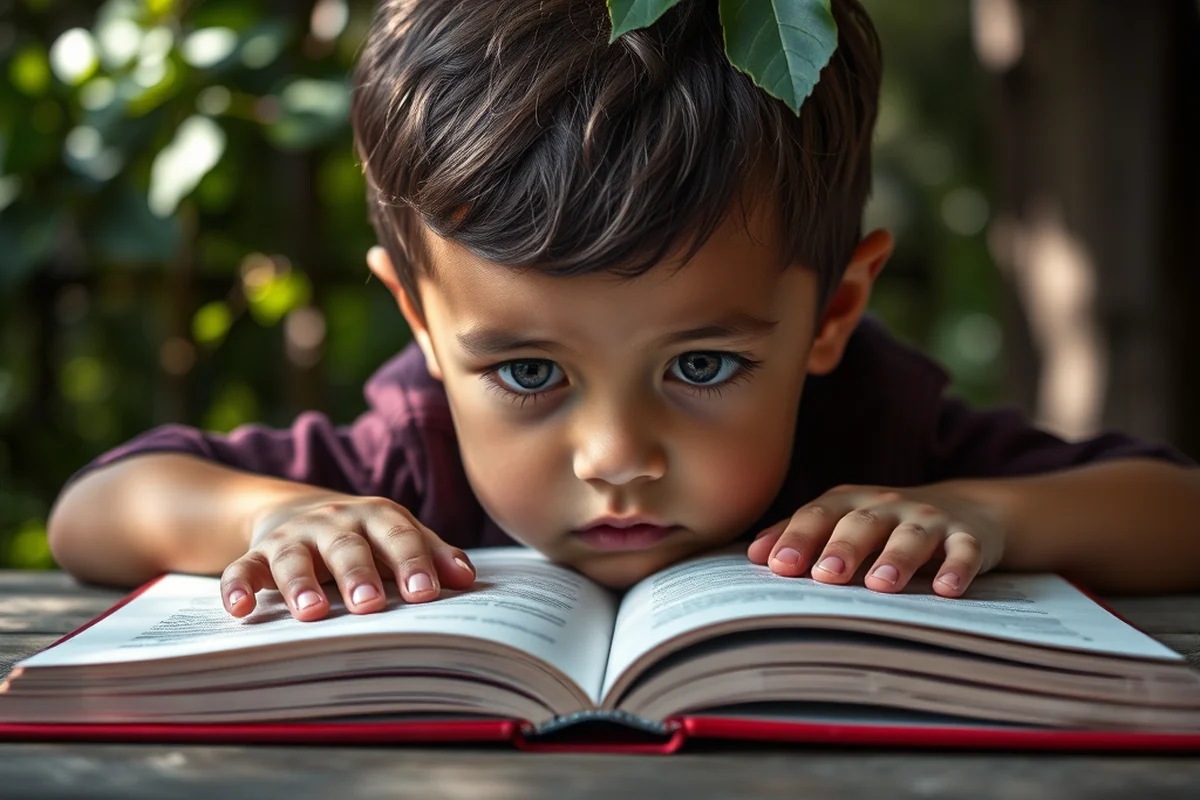
I saw this in my daughter’s behavior after my father had a heart attack. She suddenly started treating her brother with more aggression, even though she had no idea what was happening with my father. It was as if she was picking up on the emotional tension in our family and channeling it into her relationship with her brother.
This emotional inheritance isn’t always obvious. It can be in the way a child handles conflict, the way they seek approval, or even how they react to being ignored. Sometimes, it’s in the way they mimic our behavior without even realizing it.
One of the hardest things about bloodline sibling rivalry cast is that it often doesn’t come from the child’s own experiences—it comes from the family’s unspoken history and the emotional weight that’s been passed down through generations.
Children don’t always inherit their parents’ behaviors—they inherit their parents’ emotions.
Related: Heated rivalry about the actors
Breaking the Cycle in Bloodline Sibling Rivalry Cast
I started by talking to my children about what they were feeling, not just what they were doing. I stopped reacting in the moment and instead asked them to explain their emotions. This helped them see that their behavior was often a response to something deeper, something they weren’t even aware of.
We also started having family meetings where we could talk about our feelings without judgment. It was a space where we could express what was making us feel frustrated or upset. This helped my children understand that their emotions were valid and that they weren’t alone in them.
Breaking the cycle of bloodline sibling rivalry cast starts with awareness. When you recognize the patterns, you can begin to change them—not just for your children, but for your whole family.
When your children are upset, sit with them and ask open-ended questions like, 'What’s making you feel this way?' or 'What happened that made you angry?' This helps them process their emotions in a healthy way.
“One Tuesday afternoon, my 6-year-old daughter knocked over my 3-year-old son’s favorite dinosaur toy and then ran off laughing.”— Sibling Rivalry Solutions editors
Related: Heated rivalry cast
The Role of Parental Behavior in Bloodline Sibling Rivalry Cast

I realized that my own behavior as a parent was sometimes mirroring the patterns I wanted to change. When my children argued, I would get upset and yell, which only made things worse. I wasn’t aware that my own emotional responses were reinforcing the cycle of conflict.
After reading about emotional regulation, I started practicing mindfulness and deep breathing before I responded to my children’s arguments. This helped me stay calm and give them the space they needed to resolve things on their own.
Parental behavior is a powerful tool in either perpetuating or breaking the cycle of bloodline sibling rivalry cast. When parents model calm, empathetic responses, it teaches children how to handle their own emotions in a healthy way.
Related: Heated rivalry dvd set
The Impact of Bloodline Sibling Rivalry Cast on Long-Term Relationships
I saw the long-term impact of bloodline sibling rivalry cast when my children started to carry their conflicts into adulthood. My daughter would often have passive-aggressive comments toward her brother, and my son would shut down emotionally when they were in the same room. It wasn’t just about their childhood—it was about how these patterns were affecting their adult relationships.
These patterns can create a rift between siblings that feels impossible to mend. They can lead to resentment, distance, and even estrangement if not addressed early on. I realized that the way we handled conflict as a family had real consequences for how our children would relate to each other as adults.
The long-term impact of bloodline sibling rivalry cast is often underestimated. It can shape how siblings interact, how they communicate, and even how they feel about themselves and each other. Addressing it early is key to preventing these patterns from becoming permanent.
Related: Heated rivalry casting announcement
The Power of Empathy in Bloodline Sibling Rivalry Cast
I started using empathy as a tool to help my children understand each other’s perspectives. I would ask them, 'What do you think your brother/sister was feeling when that happened?' or 'What would you need in this moment to feel better?' This helped them shift from blame to understanding.
Empathy isn’t just about being nice—it’s about seeing the other person’s experience and recognizing their emotions as valid. This helped my children start to see their brother or sister not as an enemy, but as someone who was just as scared or frustrated as they were.
The more we practiced empathy, the more my children started to listen to each other, even when they were upset. It wasn’t a magic fix, but it was a powerful step toward healing.
Empathy can turn enemies into allies, even in the most entrenched conflicts.
Related: What is heated rivalry about cast
The Role of Communication in Healing Bloodline Sibling Rivalry Cast
I realized that communication was the missing piece in our family’s interactions. My children weren’t just fighting—they were not speaking about their feelings, their needs, or their frustrations. They were using conflict as the only way to express themselves.
When we started having regular family conversations, the change was immediate. My children started to express their needs more clearly, and they began to understand each other better. They were no longer fighting for toys or attention—they were fighting for a space where they could be heard.
Communication is the bridge that connects siblings and helps them move past the patterns of bloodline sibling rivalry cast. It’s not always easy, but it’s one of the most powerful tools we have as parents.
🌱 Gentle Approach
This method focuses on creating a calm, supportive environment where siblings can learn from each other without conflict.
⚡ Fast-Track Solution
A quick, actionable plan for parents who need immediate strategies to reduce sibling rivalry and restore peace.
✈️ Travel/away-from-home
Tailored for parents on the go—strategies that work in hotels, airports, or while on vacation with minimal setup.
👶 Multiples
A comprehensive guide for parents of multiple children, focusing on balancing attention and reducing rivalry among several siblings.
🔄 Regression Reset
A plan to help reset emotional patterns when a child has regressed into more aggressive or hostile behavior.
| The mistake | Why it happens | The fix |
|---|---|---|
| Assuming the problem is only with the children. | Bloodline sibling rivalry cast is often rooted in family history and emotional patterns, not just the children’s behavior. | Reflect on your family’s history and how it might be influencing the dynamics between your children. |
| Reacting immediately to conflict. | Reacting in the heat of the moment can escalate the situation and reinforce the cycle of conflict. | Pause, take a breath, and ask your children what they’re feeling before responding. |
| Ignoring the emotional needs of your children. | Not addressing emotional needs can leave children feeling unheard and can perpetuate patterns of conflict. | Create safe spaces for your children to express their feelings and validate their emotions. |
| Not involving both children in the process. | Excluding one child can create resentment and make it harder to resolve conflicts. | Involve both children in conversations and solutions so they feel seen and heard. |
Bloodline Sibling Rivalry Cast
Common Questions
How can I tell if my children’s rivalry is due to bloodline factors?
Is there a way to prevent bloodline sibling rivalry cast from affecting my children?
Can bloodline sibling rivalry cast be completely erased?
What if my family doesn’t have a history of conflict?
References
- Titles owned by Mary Riley Styles Public Library - Falls Church (catalog.fallschurchva.gov)
- Titles owned by GEORGETOWN PUBLIC LIBRARY (catalog.georgetowntexas.gov)
- know yourself: theōría of the gods in aristotle (conservancy.umn.edu)
- Unseemly Selves: Russian Realism and Early Psychiatry (dash.harvard.edu)
Cite this guide
Sibling Rivalry Solutions (2026). Bloodline Sibling Rivalry Cast. https://siblinglogic.com/bloodline-sibling-rivalry-cast/
Feel free to cite or share this guide.