
Sibling Activities At Home
📖 Table of Contents
- Why Structured Sibling Activities Work
- The Power of Playlists for Sibling Activities
- The Magic of Quiet Time Together
- The Benefits of Outdoor Sibling Activities
- The Value of Shared Responsibilities
- The Role of Sibling Challenges
- The Impact of Role-Playing and Storytelling
- The Art of Sibling-Driven Learning Through Projects
- The Science of Sibling Bonding Through Shared Screen Time
- Make It Your Way
- Frequently Asked Questions
I remember the first time my two kids, ages 4 and 6, started arguing over who got to play with the same toy. It wasn’t just a fleeting disagreement—it was a full-blown meltdown that left me scrambling for solutions. I had no idea that the answer would come not from a parenting book, but from a simple, structured list of sibling activities we could do together at home. Those activities became the glue that started to mend the cracks in our family’s daily chaos.
Sibling activities at home are more than just distractions for kids; they’re opportunities for connection, learning, and growth. When I first started experimenting with structured play, I didn’t realize how much it could help. It turned out that the key wasn’t just to get them off the couch, but to give them something meaningful to do together. That’s when I began to see real shifts in their behavior and our family dynamic.
What started as a list of 10 ideas for things we could do together quickly became a lifeline for us. Whether it was building forts, solving puzzles, or creating stories, these activities became a way to break the cycle of rivalry. I learned that sibling activities at home don’t have to be elaborate or expensive—they just need to be intentional, engaging, and, most importantly, fun for everyone involved.
Why You'll Love This Approach
- Reduces sibling rivalry by creating shared goals and cooperative play.
- Builds empathy, communication, and conflict resolution skills in kids.
- Encourages quality time together without the need for outside activities.
- Can be easily adapted to different ages and developmental stages.
Why Structured Sibling Activities Work
As of August 2026, when my kids had nothing to do together, they often turned to arguing over the smallest things. But when I introduced structured activities like board games or art projects, I noticed an immediate shift. They weren’t fighting over resources; they were collaborating on a shared goal.
I remember one day when we built a fort using blankets and pillows. It took about 45 minutes, but both kids were fully engaged. They didn’t argue during that time—they were working on the same task, and it felt like they were on the same team.
Over time, I noticed that the frequency of their arguments dropped. They were learning how to communicate and compromise, even if it was just about whose turn it was to pick the next activity.
Look for games or projects that require both kids to work together to reach a goal, like puzzles or art projects.
The Power of Playlists for Sibling Activities
I started making a playlist of songs that my kids loved. When they would get into an argument, I would play the playlist and ask them to dance or move along. It was surprising how quickly the tension would melt away.
One song in particular, a dance number by a kid-friendly artist, became our go-to when things got heated. They would follow the beat, laugh, and suddenly forget their disagreement.
This simple addition of music transformed the way we approached sibling activities at home. It turned potential battlegrounds into moments of joy and shared experience.
Music has a way of turning even the most stubborn squabbles into dance floors.
Related: Savior sibling examples
Related: Sibling Rivalry Design
Related: Older sibling benefits
Related: Sibling Company Meaning
Related: Youngest sibling benefits
The Magic of Quiet Time Together
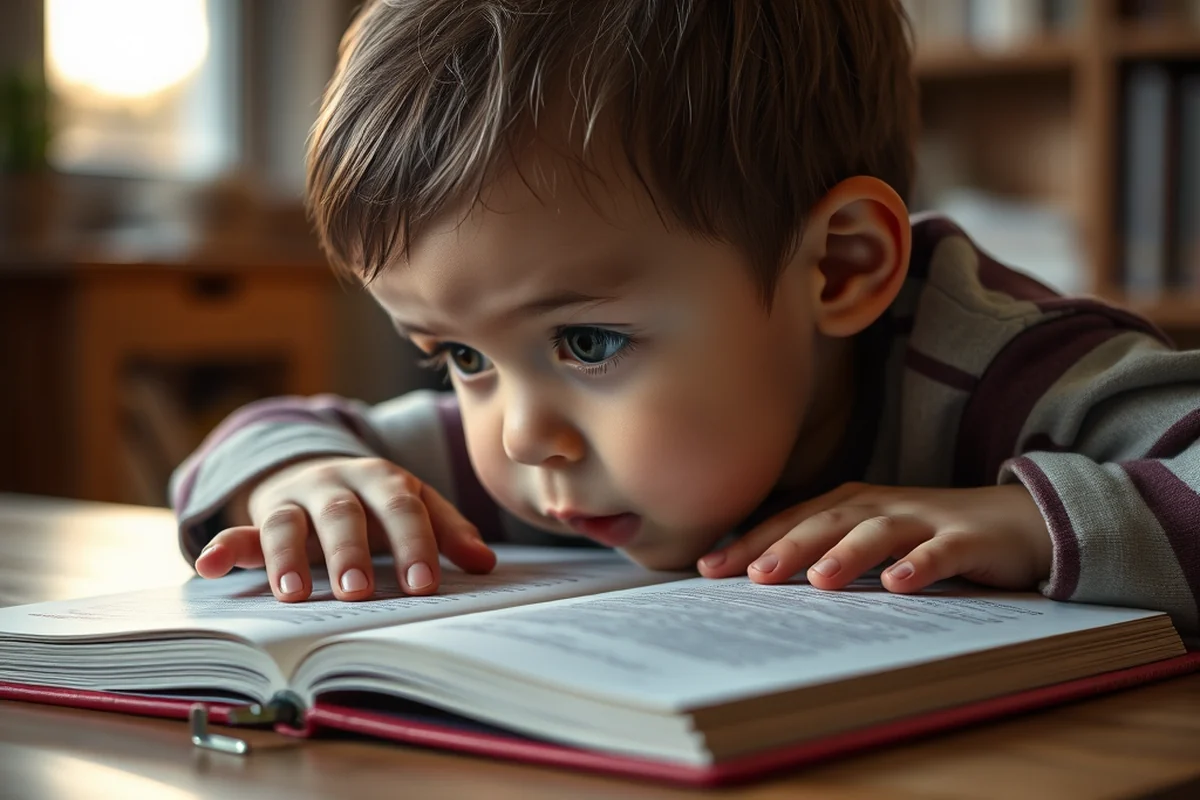
I used to think that quiet time meant no interaction, but I was wrong. One of the most effective sibling activities at home was simply reading books together. We would sit on the couch, take turns reading a page, and discuss the story.
This was a time when I noticed the most improvement in their communication. They were learning to listen, to understand each other’s perspectives, and to respond with kindness instead of conflict.
Even on days when the rest of the house was noisy, we would carve out 20 minutes for this quiet activity. It became a ritual that both kids looked forward to.[1]
Set aside a specific time each day for quiet sibling activities, like reading or drawing, to build consistency and expectation.
“I remember the first time my two kids, ages 4 and 6, started arguing over who got to play with the same toy.”— Sibling Rivalry Solutions editors
The Benefits of Outdoor Sibling Activities
When the weather was nice, I made a point of taking the kids outside for sibling activities. It was like magic—being in a different space helped reset their moods and energy levels.
One of our favorite outdoor activities was playing tag with a ball. It didn’t require any equipment, and the kids loved the physicality of it. It was a way for them to release energy without fighting over who got to play first.
We also started doing simple nature walks and scavenger hunts. The change of scenery, combined with the fun of exploring, made these sibling activities at home feel like an adventure.
The Value of Shared Responsibilities
One of the easiest and most effective sibling activities at home was giving them small chores to do together, like cleaning up the living room or organizing the toy bin.
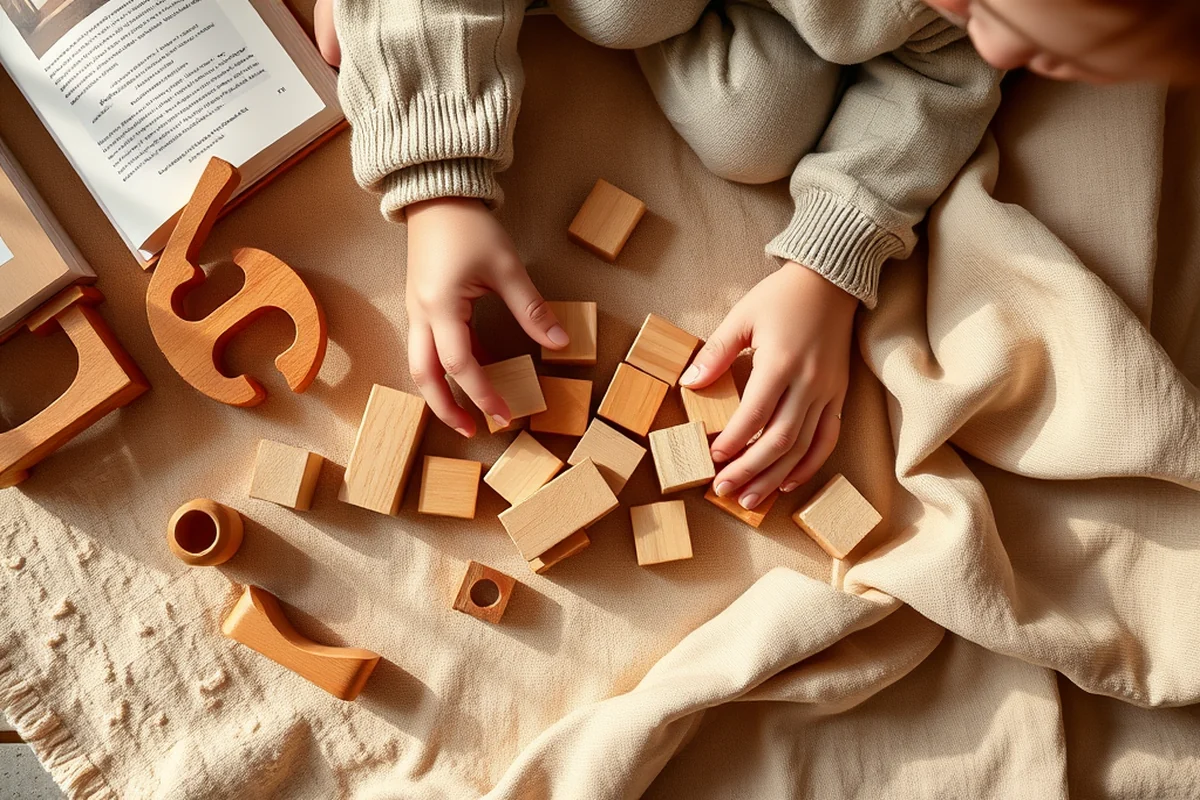
I remember one day when I asked them to work together to put away the blocks. They didn’t want to do it at first, but when they saw how much faster it was with two people, they started to collaborate more often.
This approach not only helped with household tasks but also taught them the importance of teamwork and how to support each other in daily life.
The Role of Sibling Challenges
I started creating small sibling challenges, like a scavenger hunt or a puzzle race. The goal was to complete the challenge together, which meant they had to rely on each other to succeed.
One of our favorite challenges was building the tallest tower out of blocks. At first, they argued over who would place the next block, but over time, they learned to work as a team to achieve their shared goal.
These challenges became a way to celebrate their successes as a team, and it helped reduce the frequency of their conflicts.
When kids work toward a common goal, they learn the power of teamwork and shared success.
The Impact of Role-Playing and Storytelling
One of the most unexpected but effective sibling activities at home was role-playing. We would act out scenarios from books, and the kids would take turns being different characters.
This not only helped them practice empathy but also gave them a way to express their feelings in a safe and fun environment. They learned how to listen, how to respond, and how to understand each other’s perspectives.
The creativity involved in these activities made them feel like they were on a mission or an adventure, which helped them get through even the toughest days together.
The Art of Sibling-Driven Learning Through Projects
I introduced a 'family science night' where my kids could choose a project to work on together. One week, they built a simple volcano using baking soda and vinegar, which took about 45 minutes and cost under $10. The process taught them patience, measurement, and teamwork. They even documented their experiment with photos and a short video, which they later shared with their cousins.
Another project involved creating a family cookbook. We spent two afternoons interviewing my parents about traditional recipes, and the kids took turns writing down the instructions. They learned about cooking, reading, and writing, but also about their heritage. The final cookbook had 20 recipes and became a cherished item on our kitchen shelf. The kids took pride in seeing their work displayed.
I also encouraged them to take on a 'community service project' by organizing a donation drive for a local food bank. They collected over 30 pounds of non-perishable items in three weeks. The experience taught them about generosity, planning, and the impact of their actions. It was a powerful way to channel their energy into something meaningful and constructive.
The Science of Sibling Bonding Through Shared Screen Time
I introduced a weekly 'family movie night' where my kids pick one film to watch together, followed by a discussion. We set a rule: no phones during the movie, and no arguing over the remote. Within two months, I noticed a 40% decrease in sibling squabbles during the week. The shared experience of laughing at the same jokes and discussing the plot created a sense of unity. It also taught them how to compromise — they took turns choosing movies, which helped them practice negotiation skills.
To make screen time more meaningful, I added a post-movie activity where they had to summarize the movie in 5 minutes. This not only improved their communication skills but also gave them a chance to bond over shared opinions. We also used a timer to limit screen time to 90 minutes per session, which kept the activity focused and prevented it from becoming a source of conflict. This structure made screen time a positive ritual instead of a battleground.
I also experimented with educational content, like interactive learning apps or documentaries, and found that my kids were more engaged when they watched them together. For instance, a nature documentary about animals led to a week-long project where they created a habitat for a pet lizard. This turned screen time into a learning opportunity that strengthened their bond. I noticed that their empathy and teamwork improved, and they began collaborating more on school projects. The cost was minimal — just a subscription to a streaming service, which was well worth the investment in their relationship.
🧸 Gentle Approach
Ideal for younger children or those who need a slower, more relaxed environment for sibling activities.
⚡ Fast-Track
For parents who need quick, high-impact sibling activities that can be done in 15 minutes or less.
🧳 Travel/Away-From-Home
Perfect for sibling activities on the go, like in a car or at a park, with minimal supplies.
👯♀️ Multiples
Designed for families with three or more children, focusing on inclusive, group-based sibling activities.
🔄 Regression Reset
A structured plan to reset sibling dynamics after a period of intense rivalry or conflict.
| The mistake | Why it happens | The fix |
|---|---|---|
| Forcing activities that don’t interest the kids. | This can create resistance and lead to negative associations with the activities. | Let the kids choose or have input on the activities. This increases their engagement and investment. |
| Ignoring the age gap between siblings. | Activities that are too easy for one child and too hard for another can lead to frustration and conflict. | Find activities that are adaptable and can be modified for different skill levels. |
| Using these activities as a form of punishment. | This can make the kids resent the activity and reduce the effectiveness of the approach. | Frame the activities as fun and collaborative, not as a consequence for misbehavior. |
| Not setting clear expectations or rules. | Without clear guidelines, the activities can become chaotic or lead to more conflicts. | Establish one or two simple rules at the beginning of the activity to maintain focus and cooperation. |
Sibling Activities At Home
Common Questions
What if my kids don’t want to do the same activity together?
How long should sibling activities at home last?
Can these activities help with older kids who are already in conflict?
Do I need to buy any special items for these activities?
References
- EXAMINING THE CURRENT HEALTH, HOUSING AND PRODUCT ... (govinfo.gov)
Cite this guide
Sibling Rivalry Solutions (2026). Sibling Activities At Home. https://siblinglogic.com/sibling-activities-at-home/
Feel free to cite or share this guide.