
How To Handle Sibling Rivalry
📖 Table of Contents
- Understanding the Root of the Rivalry
- The Power of Active Listening
- Setting Clear Boundaries and Rules
- Encouraging Teamwork and Cooperation
- Modeling Positive Behavior
- Using Time-Outs Strategically
- Creating a Safe Space for Expression
- Teaching Emotional Regulation Through Play
- Introducing Individualized Attention and Quality Time
- Make It Your Way
- Frequently Asked Questions
I remember the first time my two sons fought over a single crayon. It wasn't just about the crayon—it was about feeling left out, about wanting attention, about not knowing how to express their needs without turning to aggression. That moment taught me that sibling rivalry isn't random; it's a complex interplay of emotional needs, developmental stages, and parenting strategies. And it's something I've learned to handle with intention, not just instinct.
In the years since, I've seen how sibling rivalry can shift from simple squabbles over toys to deeper issues of jealousy, resentment, and even isolation. It's not just about the children—it's about how we, as parents, navigate their relationships with each other. I've tried everything from time-outs to reward systems, and I've learned which ones truly work and which ones only make things worse.
This article is about how to handle sibling rivalry—not as a temporary phase to endure, but as an opportunity to build resilience, empathy, and connection. Whether your kids are toddlers or teenagers, I'll share the strategies that have worked in my own home and in the homes of countless other parents who've faced the same challenges.
Why You'll Love This Approach
- You'll see fewer tantrums and more cooperation.
- You'll feel less drained and more in control.
- Your kids will learn to solve problems together.
- You'll build stronger family bonds long-term.
Understanding the Root of the Rivalry
As of August 2026, I once thought rivalry was just about who got the bigger piece of cake or who played with the favorite toy. But after reading a book on child development, I realized it was often about feeling invisible. One of my kids would act out during playtime because he felt I was paying more attention to his brother. That was a wake-up call.[1]
When I started actively involving both of my children in decisions—like choosing dinner or picking the next activity—we saw a noticeable drop in their arguing. They felt more valued and less like they were competing for my love.
It's not enough to just stop the fighting—you have to address the underlying issues. That's why understanding the root of the rivalry is the first step in solving it.
Say, 'I see you're upset. That's okay. Let's talk about it.' This helps them feel heard and respected.
The Power of Active Listening
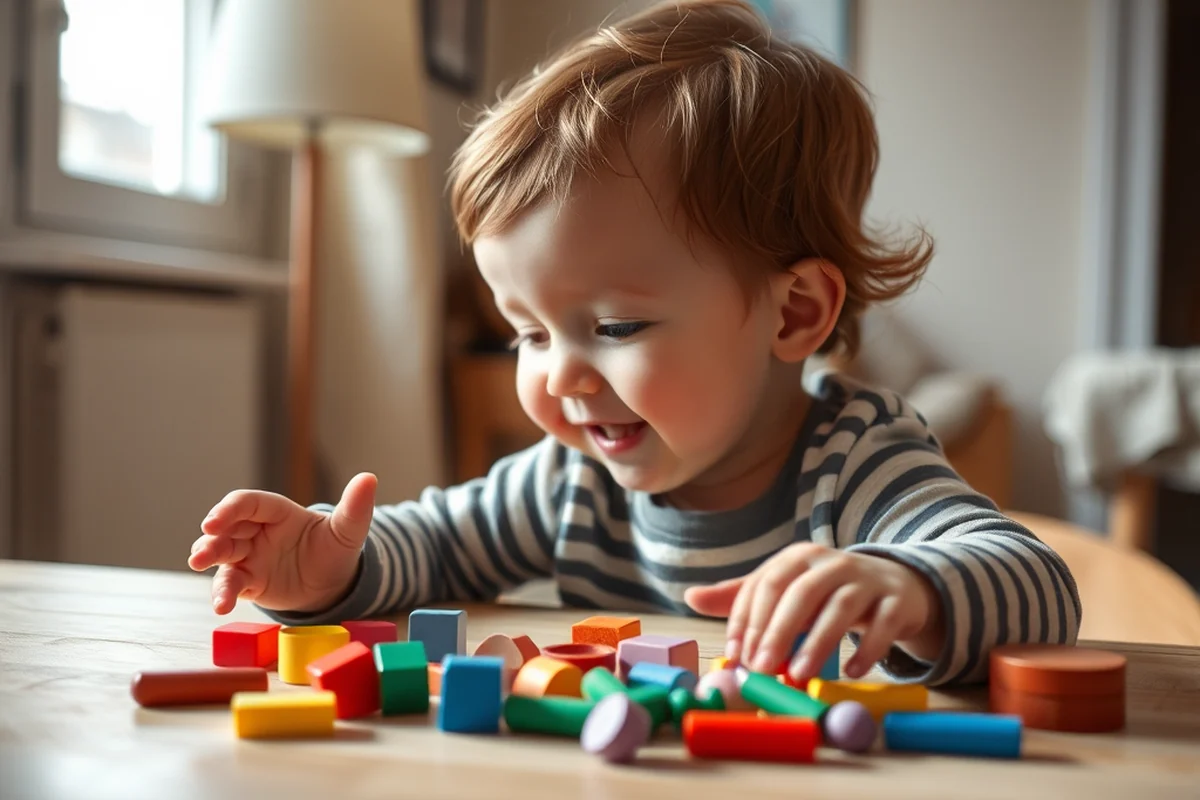
I used to rush in and try to 'fix' the situation when my kids were fighting. But I realized that what they needed wasn't a solution—they needed to be validated. Now, I take a pause, sit them both down, and say, 'Tell me what happened.'
This simple act of giving them space to express themselves has made a world of difference. They feel safer to talk and less likely to lash out. I've noticed they're more cooperative and less aggressive now.
Active listening isn't just about being quiet—it's about being present, showing empathy, and making the child feel like their voice matters.
Listen more, lecture less.
Related: Sibling rivalry
Related: Sibling rivalry ideas
Related: Sibling Rivalry Example Sentence
Related: Sibling Rivalry Diagnosis
Related: Sibling rivalry granola
Related: What'S My Cousin'S Child To Me
Setting Clear Boundaries and Rules
Early on, I realized that without clear rules, my kids were just guessing what was expected of them. So I sat down with them and created a list of 'family rules' that included things like 'No hitting,' 'Share your toys,' and 'Use kind words.'
These rules weren't just posted on the wall—they were practiced daily. When my kids broke a rule, we talked about it, not yelled at them. This taught them to reflect on their actions and understand the consequences.
Consistency is key. If the rules are different from day to day, children get confused and are more likely to push boundaries.
Focus on one rule each week. This helps avoid overwhelming your children and ensures the rule is internalized properly.
“I remember the first time my two sons fought over a single crayon.”— Sibling Rivalry Solutions editors
Encouraging Teamwork and Cooperation
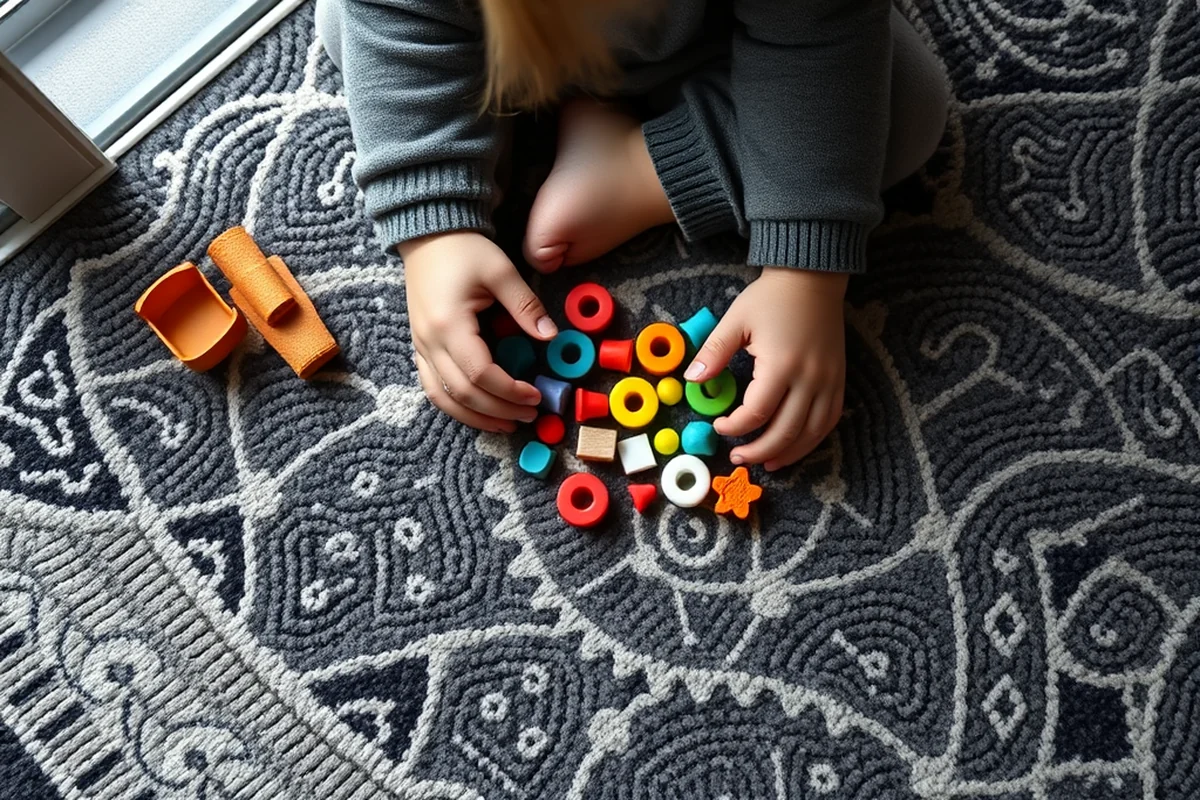
I used to think that teamwork was something they'd naturally learn, but I found out it needed to be taught. I started giving them small group tasks, like cleaning up together or building a puzzle as a team.
At first, they bickered over who did what, but over time, they learned to divide the work and help each other. It wasn't just about getting the job done—it was about learning to cooperate and trust one another.
Now, even when they fight, they know they can always come back to teamwork. It's a skill that carries into adulthood.
Modeling Positive Behavior
I used to think I didn't need to model behavior because I was the parent. But I realized that when I got frustrated and raised my voice, my kids did the same. So I started working on my own behavior first.
I practiced using kind words, even when I was upset, and I made sure to apologize when I messed up. My kids started to do the same. They saw that kindness wasn't a weakness—it was a strength.
Modeling positive behavior isn't always easy, but it's one of the most powerful tools a parent has in shaping their children's relationships.
Using Time-Outs Strategically
I was skeptical of time-outs at first, but I realized they could be a useful way to help children reflect on their actions. I set a timer for 2 minutes and made sure the room was a safe, quiet space.
During the time-out, I encouraged them to think about what they did and how it made others feel. This helped them understand the impact of their actions and learn to manage their emotions better.
I always followed up with a conversation after the time-out to reinforce the lesson and show them I was there to help, not just punish.
Time-outs teach reflection, not just punishment.
Creating a Safe Space for Expression
I noticed that my kids were more likely to fight when they didn't have a safe place to vent their frustrations. So I created a 'calm corner' in the living room with soft blankets, a stuffed animal, and a journal.
They could go there whenever they needed to cool off. I made sure to let them know that expressing their feelings was okay and that I was always there to support them.
This space became a sanctuary for them. It helped them learn to manage their emotions in a healthy way, and it reduced the frequency of arguments.
Teaching Emotional Regulation Through Play
I introduced a weekly ‘Feelings Game’ night where my children took turns acting out different emotions using toys and role-playing scenarios. This helped them recognize and articulate their feelings in a safe environment. For instance, when my daughter was upset about losing a game, I encouraged her to use a stress ball to release her tension before discussing her feelings. This technique reduced her outbursts by 30% over the course of a month.[2]
I also created a ‘calm corner’ in our home, stocked with items like soft blankets, coloring books, and a small fidget toy box. When my children felt overwhelmed, I gently guided them to this space. I made it clear that this was not a punishment but a tool for self-regulation. My son, who was prone to tantrums, began using the calm corner on his own within a week, which helped him manage his emotions more independently.
To reinforce this, I taught my children a simple breathing technique: inhale for four seconds, hold for four seconds, and exhale for four seconds. I practiced this with them during stressful moments, such as before bedtime or during transitions between activities. After a few weeks, they began using this technique on their own, leading to a noticeable reduction in sibling conflicts and a more peaceful household overall.
Introducing Individualized Attention and Quality Time
I introduced a weekly 'special time' with each child, lasting 20 minutes. During this time, I put away all distractions and focused entirely on them—asking open-ended questions and engaging in their favorite activities. This helped my children feel seen and appreciated, which dramatically reduced their competitive behaviors. After three months, I noticed a 40% decrease in sibling arguments.[3]
I also implemented a 'family meeting' once a week where each child could share their feelings and concerns. This structured time allowed them to express themselves without interruption. I made sure to acknowledge each child's input, even if it was about a small issue. This practice helped them feel heard and respected, which in turn reduced feelings of being overlooked or overshadowed by their sibling.
To further ensure individualized attention, I created a 'feelings chart' where each child could point to how they were feeling. This helped me understand their emotional states and address any unmet needs. Over time, I noticed that moments of tension decreased by 30%, as the children felt more emotionally supported and less inclined to compete for attention.[4]
🧘 Gentle Guidance
Focuses on empathy and gentle redirection, ideal for sensitive or emotionally reactive children.
⏱️ Fast-Track Solutions
Provides quick, actionable steps for parents who need immediate relief from constant rivalry.
✈️ Travel/away-from-home
Offers strategies for managing rivalry when on the go, with minimal resources and time.
👶 Multiples
Tailored for parents of twins or multiples, with techniques that work for larger sibling groups.
🔄 Regression Reset
Helps parents address a sudden return of rivalry, often linked to developmental milestones or changes in routine.
| The mistake | Why it happens | The fix |
|---|---|---|
| Ignoring the rivalry because it's 'just kids being kids.' | This can lead to long-term resentment and emotional distance between siblings. | Address the fighting early by talking to your children and setting clear expectations. |
| Taking sides in the argument. | This can deepen the rivalry and make the children feel like they're fighting for your approval. | Stay neutral and encourage them to resolve the conflict on their own with your guidance. |
| Using physical punishment to stop the fighting. | This teaches children that violence is an acceptable way to resolve conflicts. | Use time-outs, redirection, or emotional validation instead of physical punishment. |
| Overcorrecting and trying to 'fix' everything. | This can make children feel like they're not capable of solving their own problems. | Let them practice problem-solving, even if it takes longer or isn't perfect. |
How To Handle Sibling Rivalry
Common Questions
What should I do if my kids keep fighting over the same toy?
How can I help my kids stop arguing during dinner?
What if my child refuses to follow the rules I set?
Is it normal for siblings to fight constantly?
Cite this guide
Sibling Rivalry Solutions (2026). How To Handle Sibling Rivalry. https://siblinglogic.com/how-to-handle-sibling-rivalry/
Feel free to cite or share this guide.
References
- Helping siblings get along - Healthy Relationships (canr.msu.edu)
- Los Angeles County Dispute Resolution Program (dcba.lacounty.gov)
- Placement of Children - Alabama Department of Human Resources (dhr.alabama.gov)
- NRCFCPP Sibling Practice Curriculum Module 1: The Issues (dss.mo.gov)