
Family Tree Diagram
📖 Table of Contents
- What is a Family Tree Diagram, and Why Does It Matter?
- How to Create a Family Tree Diagram with Kids
- How to Handle Blended Families in a Family Tree Diagram
- How to Use a Family Tree Diagram for Milestones and Celebrations
- How to Store and Update a Family Tree Diagram Over Time
- How to Incorporate Cultural and Historical Elements into a Family Tree Diagram
- How to Use a Family Tree Diagram as a Teaching Tool for Kids
- Make It Your Way
- Frequently Asked Questions
I remember the first time we sat down as a family and drew our family tree diagram on the living room floor. It was messy — crayons scattered, markers bleeding, and my toddler niece yelling, 'I don’t want to be a circle!' — but somehow, in the chaos, we found a connection. That moment wasn’t just about paper and lines; it was about grounding our family in a shared history and making the abstract feel tangible. A family tree diagram, when done right, is more than a visual aid — it’s a bridge between generations.[1]
What started as a fun art project turned into a recurring ritual in our household. We’ve used it to mark milestones, like when my brother got married or when my cousin had a baby. The diagram became a living document, evolving with each new addition. It’s not just about who is related to whom; it’s about who we are, where we came from, and how we’re all connected — even when the lines are messy.
Over the years, I’ve seen how a well-crafted family tree diagram can help kids understand their roots, especially in blended or extended families. It has helped my son grasp the concept of ‘uncle’ and ‘great-grandma’ in ways that books or stories never could. It’s not about perfection — it’s about creating a space where everyone feels seen and included, even if they’re not all in the same place.
Why You'll Love This Family Tree Diagram Approach
- It helps kids understand their place in the family and feel connected to their roots.
- It’s a customizable tool that grows with your family over time.
- It encourages collaboration and creativity among family members of all ages.
- It can be used to celebrate milestones and keep memories alive.
What is a Family Tree Diagram, and Why Does It Matter?
As of September 2026, a family tree diagram is like a map of your family’s history, showing how people are related — parents, siblings, cousins, grandparents, and more. It’s not just for genealogists; it’s a powerful tool for parents who want to help their children understand their lineage and where they come from. For example, when my daughter was 7, we made a simple tree showing her great-grandparents, and it helped her grasp the idea of ‘family’ in a way that books or stories couldn’t.[2]
These diagrams can be as simple as hand-drawn paper with names and lines or as complex as digital tools with multiple branches. The key is that they’re flexible — they can grow with your family, accommodate new members, and even be adapted to include step-relations, adopted family, or non-traditional family structures. This adaptability makes them a valuable resource for any family, regardless of size or configuration.
One of the most unexpected benefits I’ve seen is how these diagrams help kids with a sense of identity. When my son was adopted, we used a family tree diagram to show his journey from birth to his new home, helping him see that he was always part of a larger family, even before he joined ours.
Don’t be afraid to begin with a simple sketch. Let your children add names, draw lines, and even use stickers or crayons to make it their own. The goal is connection, not perfection.
How to Create a Family Tree Diagram with Kids
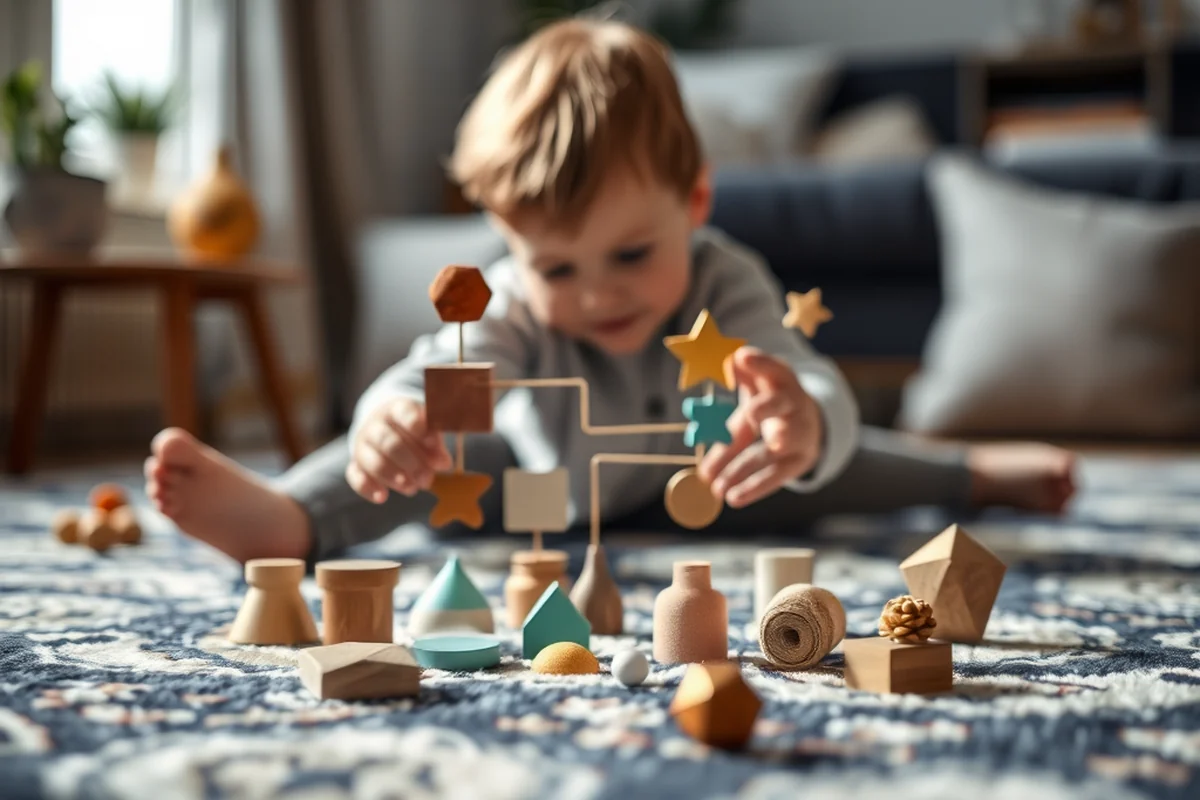
One of the easiest ways to start is with a large piece of paper and some markers. We’ve used poster boards, butcher paper, and even whiteboards for this. My daughter loved using a whiteboard because she could erase and rearrange names as she learned more about her family. We started with a simple structure: her parents, her grandparents, and her siblings. Each time we added a new name or relationship, it felt like a small celebration.
I’ve found that involving kids in the process is key. Let them choose colors, decide where to place names, and even add personal touches like photos or symbols. For example, my son added a little star next to his great-grandma’s name because she was a storyteller. It made the diagram more personal and meaningful to him.
It’s also a great opportunity to talk about family stories. As we added each name, we shared brief anecdotes — who was the funniest uncle, who loved to cook, who was the first in the family to graduate from college. These stories made the diagram more than just a visual; it became a living history.
A family tree diagram is a canvas for stories, not just names.
Related: What is on modern family
How to Handle Blended Families in a Family Tree Diagram
Creating a family tree diagram for blended families requires a thoughtful approach. We used different colors to represent each original family. For instance, my wife’s side used blue, and my side used green. When we had children together, we used a mix of both, which visually showed their connection to both sides of the family. This helped our children understand that they have two sets of grandparents and that their heritage is a blend of both.
One of the challenges was making sure each person felt included and valued. We made sure to include everyone’s names, even if they weren’t biological relatives. We also used notes to explain relationships clearly — for example, ‘step-grandma’ or ‘adopted cousin.’ This transparency helped avoid confusion and made the diagram a source of education rather than a source of tension.
In our experience, a family tree diagram for blended families is more than a tool for organization — it’s a way to celebrate diversity and inclusion. It shows that families can be as unique as the people in them, and that love and connection can form in many different ways.
Assigning different colors to each family branch can help clarify relationships and make the diagram more visually engaging. It also makes it easier for children to understand who is related to whom.
“I remember the first time we sat down as a family and drew our family tree diagram on the living room floor.”— Sibling Rivalry Solutions editors
Related: What is family movies
How to Use a Family Tree Diagram for Milestones and Celebrations
We’ve used our family tree diagram to celebrate birthdays, weddings, and even the birth of new babies. Every time someone reached a milestone, we added a new branch or a sticker to their name. My cousin’s wedding, for example, was marked with a small heart sticker and a note that said, ‘Happy 10th anniversary.’ It became a visual reminder of the love and connection in our family.
One of the best parts of using a family tree diagram for celebrations is that it becomes a shared memory. We’ve had kids color in the names of their relatives and even write messages to each other. It’s a way to make events more personal and meaningful. My daughter once wrote, ‘I love you, Grandma,’ next to her grandmother’s name, and it made the diagram feel even more special.
This approach also helps kids understand the importance of family events and how they’re part of a larger narrative. When we added my brother’s new baby to the tree, my son realized that his cousin was now part of the family, and it made him excited to meet the new addition.
Related: Family search website
How to Store and Update a Family Tree Diagram Over Time
We keep our family tree diagram in a large, framed poster on the wall of our living room. It’s a centerpiece in our home, and everyone can see it from the moment they walk in. We update it every time we have a new baby, a new marriage, or a new name to add. It’s surprising how quickly these updates happen — one year you have two grandparents, the next you have four.
I’ve found that having a central location for the diagram is key. It makes it easy for everyone to contribute and see how the tree is evolving. For example, we have a family tradition where, on the first Sunday of each month, we gather to update the diagram and share any news about our relatives. It’s a small ritual that keeps the family connected and in the loop.
Over time, the diagram becomes a living record of your family’s story. It’s not just about names and lines — it’s about memories, relationships, and the journey of your family. Keeping it updated ensures that it remains a meaningful and valuable tool for years to come.
Related: Family solutions for care reviews complaints
How to Incorporate Cultural and Historical Elements into a Family Tree Diagram
We’ve used our family tree diagram to teach our kids about their cultural heritage. For example, we added symbols that represented our family’s traditions — a candle for our Jewish heritage, a dragon for our Chinese roots, and a cross for our Catholic background. These symbols helped our children understand where they came from and what made their family unique.
We also included brief historical notes about significant events in our family’s past. When we added my great-grandparents to the tree, we included a short story about their immigration to the United States in the 1920s. It was a way to connect the past to the present and give our children a deeper understanding of their lineage.
This approach has helped our kids appreciate the diversity within our family and the rich history that shaped it. It’s not just about who is related to whom — it’s about who they are and where they come from.
A family tree diagram can be a window into your family’s past and a guide to your future.
Related: Total family solutions reviews
How to Use a Family Tree Diagram as a Teaching Tool for Kids
We’ve used our family tree diagram to teach our kids about different types of relationships — aunts, uncles, cousins, and more. When my daughter was 5, she had trouble understanding that her ‘aunt’ wasn’t her mom. We used the diagram to show her that her mom’s sister was her aunt, and it helped her grasp the concept in a way that made sense to her.
The diagram is also a great way to introduce kids to the idea of family history. We’ve used it to talk about where our ancestors came from, what they did for a living, and how they shaped our family. It’s a way to make history feel personal and relevant to them.
Perhaps most importantly, the diagram has helped our kids understand their place in the family. It’s not just about who they are related to — it’s about who they are and how they fit into the larger picture. It’s a powerful tool for building self-esteem and a sense of belonging.
🌳 Gentle Approach
Start small, with just a few family members and simple lines, gradually adding more as the family becomes comfortable.
⏱️ Fast-Track Method
Use a digital tool to quickly create and update a family tree diagram with just a few clicks.
✈️ Travel/away-from-home
Create a portable family tree diagram that can be taken on trips or shared with extended family members who live far away.
👶 Multiples Approach
Use the family tree diagram to show the connections between multiple children and their shared parents or grandparents.
🔄 Regression Reset
Use the family tree diagram to revisit and revisit old family stories and connections, especially for children who are struggling with their identity or sense of place.
| The mistake | Why it happens | The fix |
|---|---|---|
| Making the diagram too complicated for young children. | If the diagram is too complex, it can overwhelm children and make the activity feel like a chore rather than a fun learning experience. | Start with a simple structure and add complexity over time as your child becomes more comfortable with the concept. |
| Focusing too much on names and not enough on relationships. | If the diagram is just a list of names without showing how people are connected, it can be confusing and lack meaning. | Use lines, arrows, or symbols to clearly show relationships between family members. |
| Forgetting to include non-traditional family members. | Excluding step-relatives, adopted family, or other non-traditional family members can make some people feel left out or unimportant. | Make sure to include everyone who is part of your family, regardless of how they are related. |
| Not allowing children to contribute to the diagram. | If children are not involved in the process, they may not feel a sense of ownership or connection to the diagram. | Let them choose colors, stickers, and symbols, and encourage them to add their own names, stories, and ideas. |
Family Tree Diagram
Common Questions
Can a family tree diagram be used for non-traditional families?
How often should I update my family tree diagram?
What if my family is very large and complex?
Can I use a family tree diagram to teach kids about their heritage?
References
- ADULT FAMILY HOME - DSHS (dshs.wa.gov)
- What is Indexing? • Get Involved - FamilySearch (alexandercityal.gov)
Cite this guide
Sibling Rivalry Solutions (2026). Family Tree Diagram. https://siblinglogic.com/family-tree-diagram/
Feel free to cite or share this guide.