
Family Feud For Kids With Points
📖 Table of Contents
I remember the first time my three kids turned a dinner table into a battlefield. It wasn't because they were hungry or tired — it was because they were bored, and they had nothing to do but argue over who had the best seat or whose favorite dish was better. That was the moment I realized we needed a game that could channel their energy, encourage cooperation, and maybe even teach them something in the process. 'Family Feud for Kids with Points' became our go-to solution, and it turned our chaotic dinners into a chance for them to learn, laugh, and compete in a healthy way.
The idea came from a simple observation: Kids love competition, and they thrive when they have clear goals and rewards. So, I designed a system where we could play 'Family Feud' — a classic game of knowledge and quick thinking — but tailored for children. Each round, they earned points for correct answers, and at the end of the week, the points translated into real-world rewards like extra screen time, a special outing, or even a new book. What I didn't expect was how much it would help us bond, reduce arguments, and even improve their vocabulary and thinking skills.
Now, three years later, our table is still a place of friendly competition, and I've seen it work for other families too. The best part? The game is flexible, adaptable, and — most importantly — fun. Whether you're looking to keep kids entertained during a long car ride or want to use it as a weekly ritual to spark conversation and learning, 'Family Feud for Kids with Points' has transformed the way we interact as a family. Let me walk you through how it works and why it's worth trying.
Why You'll Love This Family Game System
- It keeps kids engaged and focused, turning potential chaos into fun.
- It strengthens family bonds through shared learning and healthy competition.
- It teaches valuable skills like teamwork, communication, and problem-solving.
- It's highly customizable, so it works for different ages and interests.
How to Set Up the Game
As of September 2026, Start by choosing a topic that's both fun and educational. Categories like 'Animals', 'Colors', or 'Famous People' work well. Use a phone or tablet to look up questions, or print out cards with simple questions for younger kids. I like to have a whiteboard nearby to track points, and I use colored sticky notes for each player to make it visual and interactive.
Assign each child a color and a scorecard. Every correct answer earns points — I usually give 10 points for each right answer, and 5 for a partial answer. At the end of the game, the points are added to their weekly total. If there's a tie, I often use a tiebreaker question or let the kids choose a category they're most interested in.
I make sure to keep the game light and fun. If the kids get frustrated or bored, we switch to a different topic or take a break. The key is to keep it engaging without making it feel like a test or competition that's too intense.
Colorful scorecards, sticky notes, and a visible whiteboard help kids track progress and stay motivated. Visuals make the game more interactive and fun.
Part of our Feud kids guide.
Choosing the Right Categories

I've found that categories like 'Fruits and Vegetables', 'Famous Stories', and 'Types of Animals' work especially well for younger kids. For older kids, categories like 'History', 'Science', or 'Movies' offer a greater challenge and encourage learning. I always let the kids vote on the category for each game to keep them invested and interested.
If the kids are struggling with a category, I switch it up. I've noticed that when the game becomes too difficult, kids get discouraged. Keeping it age-appropriate and fun is key. I also make sure to mix in some surprise categories to keep things exciting — like 'What's in the Kitchen?' or 'Things You Can Do with a Balloon'.
The most rewarding moments come when the kids are excited to learn new things just for the sake of winning points. I've seen them ask questions like, 'What's a penguin's favorite food?' or 'Who wrote 'The Cat in the Hat'?' even when it's not game time. That's when I know the game is working.
The best categories are the ones that make kids curious and excited to learn.
Related: Family feud poster ideas
Related: Family feud for kids with answers
Related: Kids Sentence
Related: What is family feud board game
Related: Family Feud Live Game At Home
Related: What Is Family Feud On Channel
Related: Family Feud For Kids
Related: What Are My Cousins Kids For Me
Related: Family Feud In Tv
Related: What Is Family Kids
How to Encourage Healthy Competition
I emphasize that the goal isn't to win at all costs, but to have fun and learn. I've seen it work best when we set a rule: 'No one can win unless they're having fun.' If the game gets too competitive or someone is upset, we pause and talk about how we can make it better. This helps kids understand that the game is about cooperation and kindness as much as it is about winning.
I also make sure the kids understand that points are a reward for learning, not a prize for winning. I often explain that the more they learn, the more points they earn, and the more fun they have. This shifts their mindset from 'I have to win' to 'I want to learn and have fun with my family.'
Encouraging teamwork is another way to keep the competition healthy. I sometimes create team games where two kids work together to answer questions and earn points as a team. This teaches cooperation and shows that the goal is to have a good time, not to beat each other.
Emphasize that the goal is to have fun and learn, not to win. This helps shift the focus from competition to cooperation and keeps the game positive for all players.
“I remember the first time my three kids turned a dinner table into a battlefield.”— Sibling Rivalry Solutions editors
Making the Game a Weekly Tradition
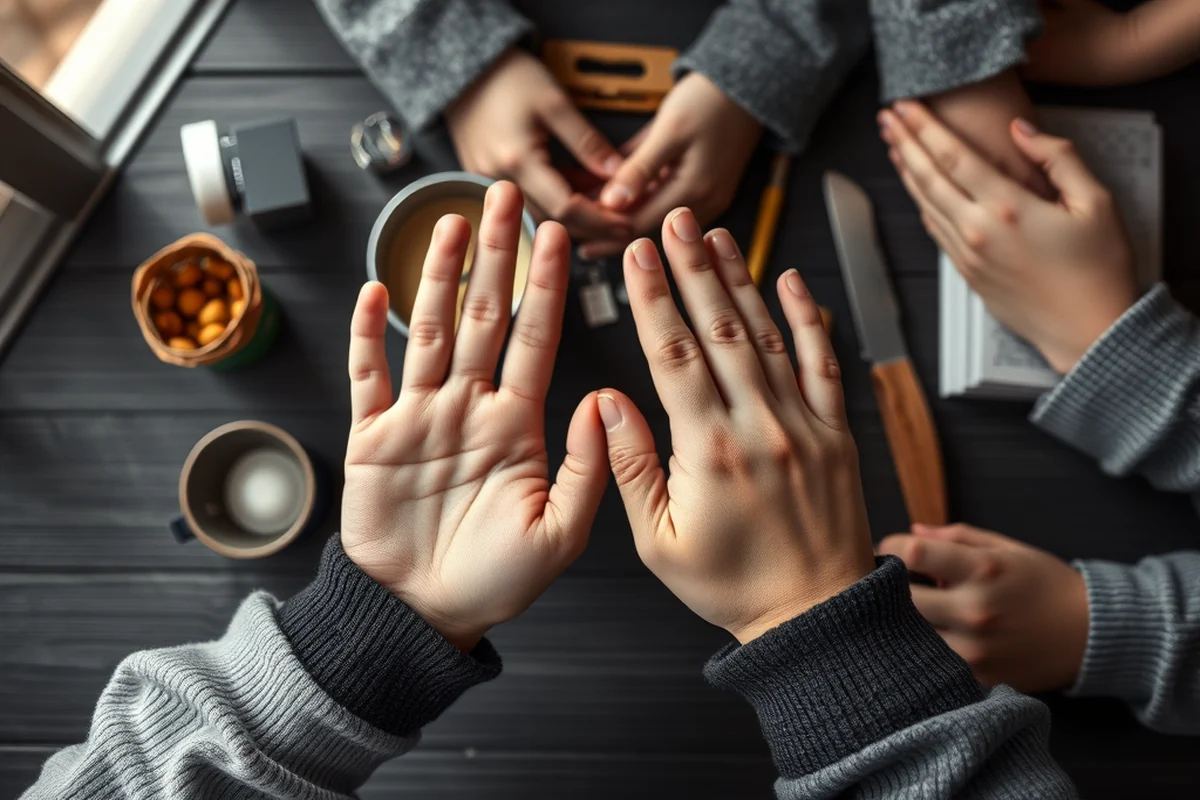
I like to play the game once a week, usually on a night where we have a little extra time. We set a timer for about 15 minutes, and we play one round of the game. At the end of the week, we tally up all the points and decide on a reward based on how many points they've earned. The reward could be an extra 30 minutes of video game time, a special outing, or even a new book.[1]
I find that the kids look forward to the game every week, and it gives us a chance to have a structured, fun activity that we can all enjoy together. It also helps us bond as a family and spend quality time with each other. The best part is that it's not just about the points — it's about the memories we make along the way.
I've also noticed that the kids are more cooperative and less argumentative during the rest of the week when they know they have a chance to earn points and rewards. It's like having a small incentive to be kind, share, and be part of a team — even if it's just for a game.
Using Points as a Motivational Tool
I make sure the points are tied to real rewards that the kids actually want. Some kids might prefer extra screen time, while others might want a special outing or a new toy. I always let the kids choose the reward that they want most, which makes the system feel more personal and meaningful to them.
I also set a limit on how many points can be earned in a week — usually 100 points. This keeps the game from becoming too overwhelming or too easy. It also helps the kids focus on quality answers rather than just trying to accumulate points as fast as possible.
I've found that when points are used correctly, they can be a great way to encourage kids to think, learn, and stay motivated. But when overused or misused, they can become a source of stress or pressure. That's why I always emphasize that the goal is to have fun and learn, not to win at all costs.
Adapting the Game for Different Ages
For younger kids, I use simpler categories and shorter questions. I often create a 'Picture Category' where the kids have to guess what the picture is, and I use flashcards to help them learn new words and concepts. For older kids, I use more challenging categories and longer questions that test their knowledge and critical thinking skills.
I also make sure the game is flexible enough to work with different family dynamics. If we have a mix of younger and older kids, I let them choose which category they want to play in. This keeps everyone involved and ensures that the game is fun for all ages.
I've found that the most successful games are the ones where the kids can choose their own categories and challenges. This gives them a sense of ownership and control, which makes the game more engaging and meaningful for them.
Adaptability is key — the best games are the ones that work for every family member.
Using the Game to Teach Life Skills
I've used the game to teach my kids about teamwork, communication, and problem-solving. For example, when they're working in teams, I encourage them to talk to each other and share ideas. This helps them learn how to work together and support each other in a real-world setting.
I've also used the game to teach my kids about patience, perseverance, and resilience. When they get a question wrong, I remind them that it's okay to make mistakes and that they can always try again. This helps them build confidence and develop a growth mindset.
The game has also been a great way to teach my kids about fairness, respect, and kindness. I make sure to emphasize that the goal is to be fair and respectful to each other, even when the competition gets tough. This helps them understand that winning isn't the only thing that matters — it's how you treat others that really counts.
🌸 Gentle Version
A slower-paced version of the game that's perfect for younger kids or those who need more support and encouragement.
⚡ Fast-Track Version
A high-energy, fast-paced version of the game that's perfect for older kids or families who want a quick and exciting challenge.
✈️ Travel Version
A portable, easy-to-play version of the game that's perfect for road trips, airports, or other travel scenarios.
👨👩👧👦 Multiple Kids Version
A version of the game that's designed for families with multiple kids, where each child can play and earn points for their own team.
🔄 Regression Reset Version
A version of the game that's used to reset the system and give kids a fresh start, especially if they're feeling overwhelmed or discouraged.
| The mistake | Why it happens | The fix |
|---|---|---|
| Making the game too competitive | When the game becomes too competitive, kids can feel stressed or discouraged, which can make the game less enjoyable for everyone. | Emphasize that the goal is to have fun and learn, not to win. This helps keep the game positive and engaging for all players. |
| Using the same categories every time | Using the same categories every time can make the game feel repetitive and boring for the kids. | Mix up the categories and include some surprise categories to keep things exciting and engaging for the kids. |
| Not allowing the kids to choose the rewards | Not allowing the kids to choose the rewards can make them feel like the game is unfair or unimportant to them. | Always let the kids choose the reward that they want most, which makes the system feel more personal and meaningful to them. |
| Not adapting the game for different ages | Not adapting the game for different ages can make it too difficult or too easy for some players, which can lead to frustration or disinterest. | Make sure to adjust the game for different ages and skill levels, and let the kids choose the categories and challenges they want to play in. |
Family Feud For Kids With Points
Common Questions
How long does a typical game session last?
Can the game be played with just two kids?
How do you keep the game from becoming too competitive?
Can the game be played multiple times a week?
References
- connecting communities - Hanover County (hanovercounty.gov)
Cite this guide
Sibling Rivalry Solutions (2026). Family Feud For Kids With Points. https://siblinglogic.com/family-feud-for-kids-with-points/
Feel free to cite or share this guide.